
High PSA: Do I Need a Prostate Biopsy?
Receiving a high PSA result is usually a very anxious moment. The good news: a high PSA does not automatically mean cancer — and a biopsy is not always the next step. Learn when it is truly necessary and what the latest literature says.
 Full Profile
 Dr. Bruno Benigno
Prostate Cancer Specialist
- Robotic Surgery
- Transperineal Fusion Biopsy
- Hospital Alemão Oswaldo Cruz
Does a high PSA mean prostate cancer?
Short answer: not necessarily.
PSA (prostate-specific antigen) is a protein produced by prostate cells. It is present in the blood of all men — and its levels rise for many benign reasons long before any cancer comes into play.
Most common non-cancerous reasons for a high PSA:
- Benign prostatic hyperplasia (BPH): the natural enlargement of the prostate after age 50 progressively raises PSA.
- Prostatitis: inflammation or infection of the prostate can temporarily triple PSA.
- Ejaculation or sexual intercourse in the previous 48 hours: can raise PSA by 10–20%.
- A recent digital rectal exam, intense cycling or bladder catheterization.
- Use of finasteride or dutasteride: these halve PSA, so the value must be adjusted.
Population studies show that only about 25% of men with a PSA between 4 and 10 ng/mL will have prostate cancer confirmed on biopsy. That is why, before going straight to a biopsy, we assess the complete picture.
When is PSA considered high?
There is no single cut-off value that, on its own, determines the need for a biopsy. The modern decision takes into account five parameters analyzed together.
1. Total PSA
This is the first number shown in the test result. Limits vary with age. A PSA above 4 ng/mL is not, in itself, an automatic indication for biopsy.
Primary Analysis2. PSA Velocity
It measures the rate of increase over time. An increase of more than 0.75 ng/mL per year is an important warning sign. It requires comparing at least three measurements.
Trend3. PSA Density
This is PSA divided by prostate volume. A density below 0.15 ng/mL/cc points toward a benign tendency (BPH), while higher values increase the likelihood of concern.
Ratio4. Free PSA Fraction
Cancer tends to produce more protein-bound PSA. A free fraction above 25% is favorable, while below 15% indicates a higher likelihood that attention is needed.
Specificity5. Family History and Ancestry
A father or brother with prostate cancer before age 65, or African ancestry, significantly increases baseline risk regardless of the number.
GeneticsThe role of multiparametric MRI before biopsy
One of the most important changes of the last decade has been the adoption of multiparametric prostate MRI (mpMRI) as an intermediate test. Learn more in the video below.

The 2024 EAU (European Association of Urology) guidelines are clear: in men with a high PSA and no previous biopsy, MRI should be performed BEFORE biopsy. This strategy detects more significant cancers, reduces indolent diagnoses and avoids unnecessary biopsies in up to 30% of patients.
PI-RADS 1 to 5: what each category means
MRI results are reported on a scale called PI-RADS, which indicates the likelihood of a clinically significant abnormality.
| PI-RADS | Meaning | Likelihood | Usual approach |
|---|---|---|---|
| 1 | Very low | < 5% | Follow-up (usually no biopsy) |
| 2 | Low | < 10% | Follow-up with serial PSA |
| 3 | Equivocal | 12–20% | Individualized decision |
| 4 | High | 60–70% | Targeted biopsy recommended |
| 5 | Very high | > 80% | Targeted biopsy + staging |
Practical next steps after an elevated PSA
If you have just received a PSA result higher than expected, the ideal sequence of care usually follows this structured path.
Confirm the result under proper conditions
Repeat the PSA at the same laboratory, after 48 hours of sexual abstinence, with no recent digital rectal exam and no intense cycling. In up to 30% of cases, the second test is already normal.
Complete clinical evaluation
A consultation with the uro-oncologist to review family history, perform a digital rectal exam, review medications and calculate derived parameters (density, velocity, free fraction).
Multiparametric prostate MRI
Whenever available, mpMRI should precede biopsy. It answers: is there a suspicious lesion? Where is it located? The PI-RADS result guides the next decision.
Biopsy decision
With the PI-RADS score in hand, the decision is made together. When indicated, transperineal fusion biopsy is the preferred standard of care.
Follow-up
If a biopsy is not indicated: serial PSA every 6–12 months, follow-up MRI as appropriate, and control of factors that may affect the test.
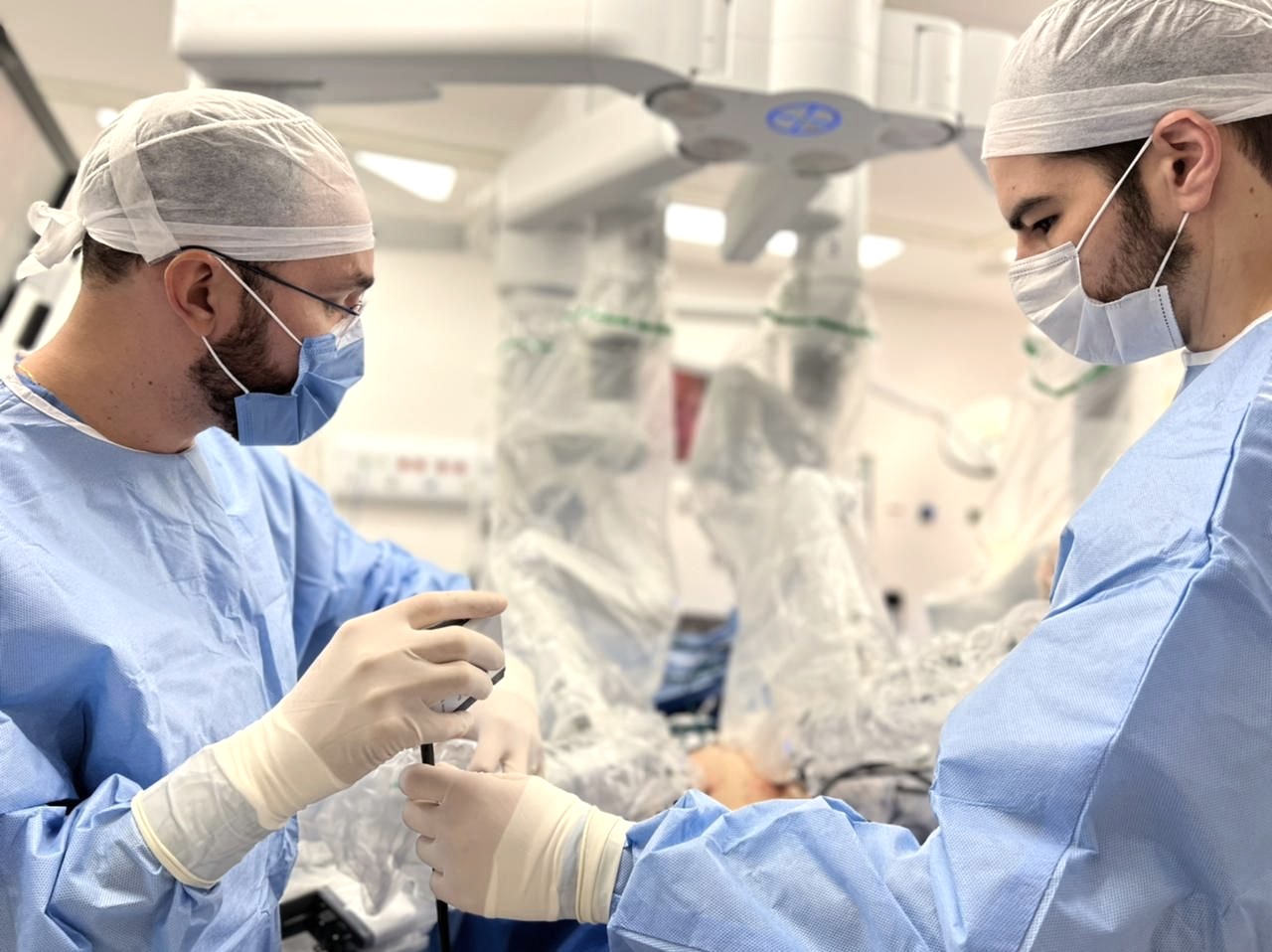
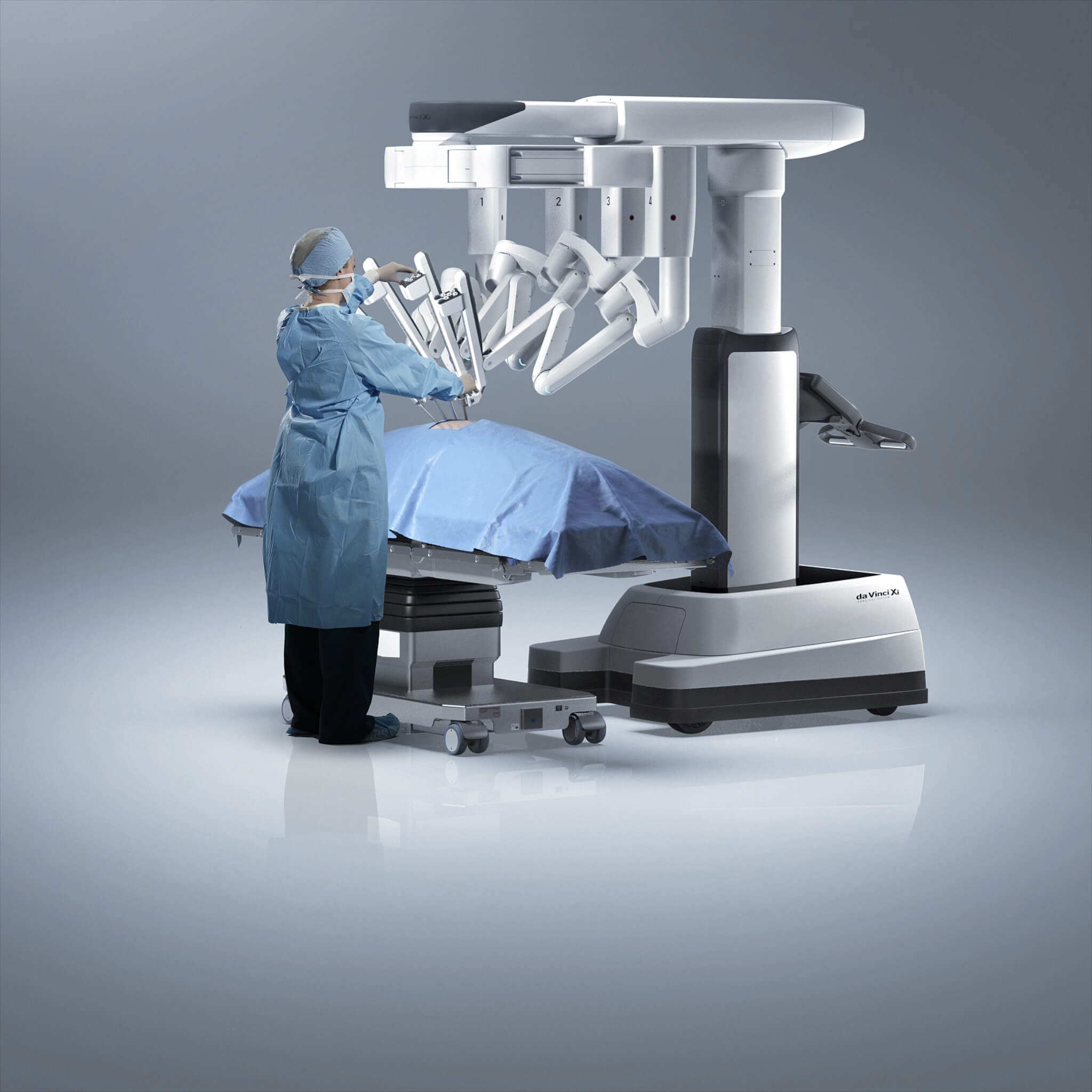
Facilities and Specialized Care
Discover our care environment and the state-of-the-art resources dedicated to your urological health.





Our patients’ experience
Committed to care, diagnostic precision and transparency at every step.
"I was very worried when I saw my high PSA. The consultation with Dr. Bruno was enlightening. He assessed the density, ordered the MRI and explained that there was no need for an immediate biopsy. What a relief."
"An extremely competent professional. We needed to have a transperineal fusion biopsy, and the whole process at Hospital Oswaldo Cruz went smoothly and safely, with impressive medical clarity."
"I saw Dr. Bruno for a second opinion on my PSA. The way he cross-checked the clinical data with the MRI gave me exactly the confidence I was looking for. Ethical and modern."
Frequently Asked Questions (FAQ)
Get answers to the most common questions about PSA and prostate biopsy.
Medical Team and Integrated Hospital Practice
Your next consultation with Dr. Bruno Benigno
An abnormal PSA, an uncertain MRI, or simply a request for a specialist second opinion. A careful evaluation is the first step toward your peace of mind.
In-person and telemedicine appointments throughout Brazil. Health insurance plans and private (self-pay) patients accepted.
