
Recovery After Robotic Radical Prostatectomy
"A well-performed surgery is half the result. The other half is decided over the following 12 weeks — and that is where specialized follow-up makes all the difference."
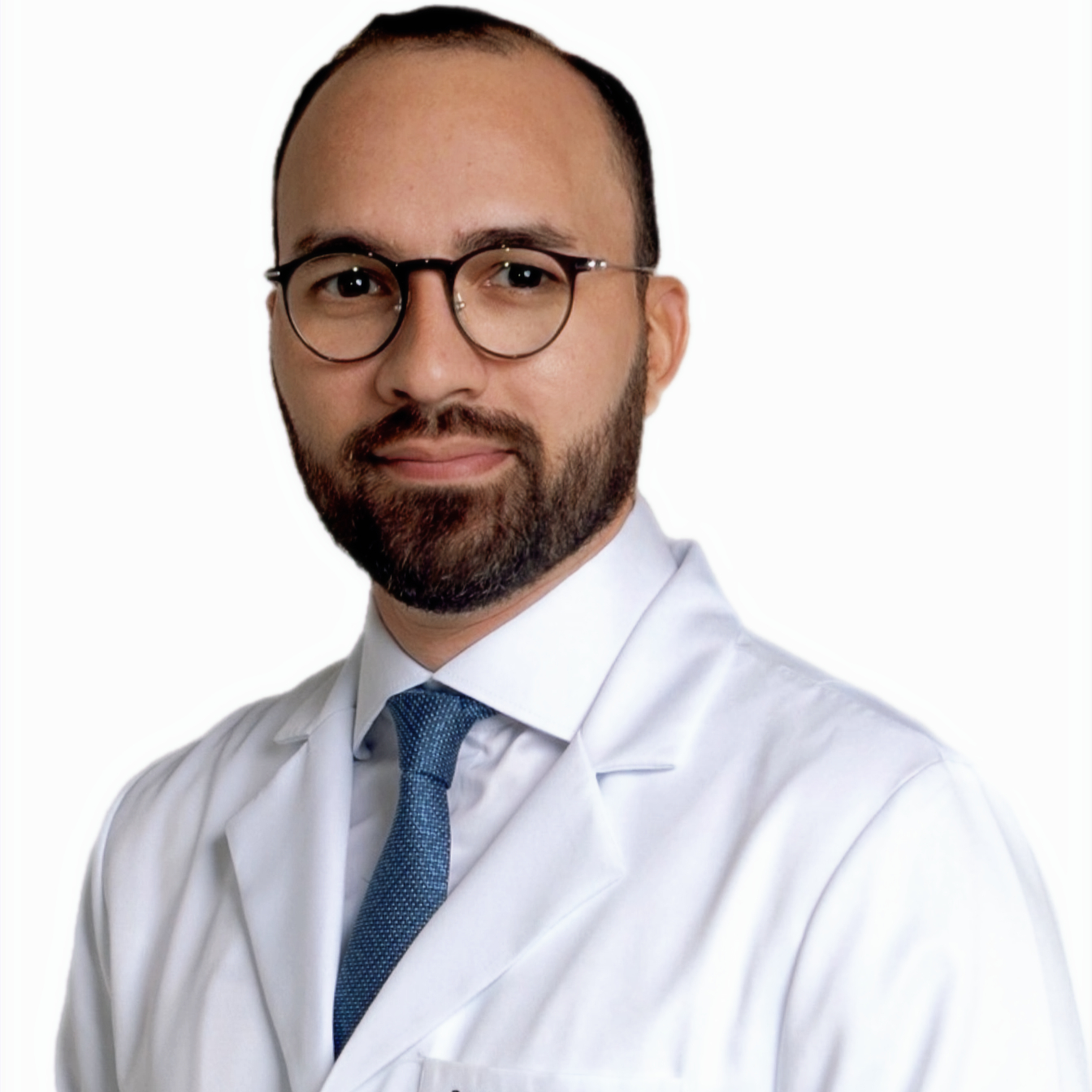
Dr. Bruno Benigno
Urologist and Robotic Surgeon
- More than 1,500 robotic surgeries
- Director of Clínica Uro Onco
- Focus on functional preservation
Why is recovery such an important topic?
Every man who is advised to undergo robotic radical prostatectomy arrives with the same set of questions: When will I stop wearing diapers? Will I have erections again? When can I drive? How soon can I go back to work? Can the cancer come back?
These questions are not secondary. In fact, they are the ones that determine quality of life for the next 20 years.
The scientific literature shows that the three pillars of success in prostatectomy — the so-called trifecta — are: cancer control, urinary continence and preserved sexual function. All three depend on the operating room, but they also depend on structured, early and evidence-based post-operative follow-up.
This guide condenses years of structured post-operative follow-up at Clínica Uro Onco. It follows the AUA (2024), EAU and NCCN guidelines. It is not a generic manual. It is the protocol we use with our patients.
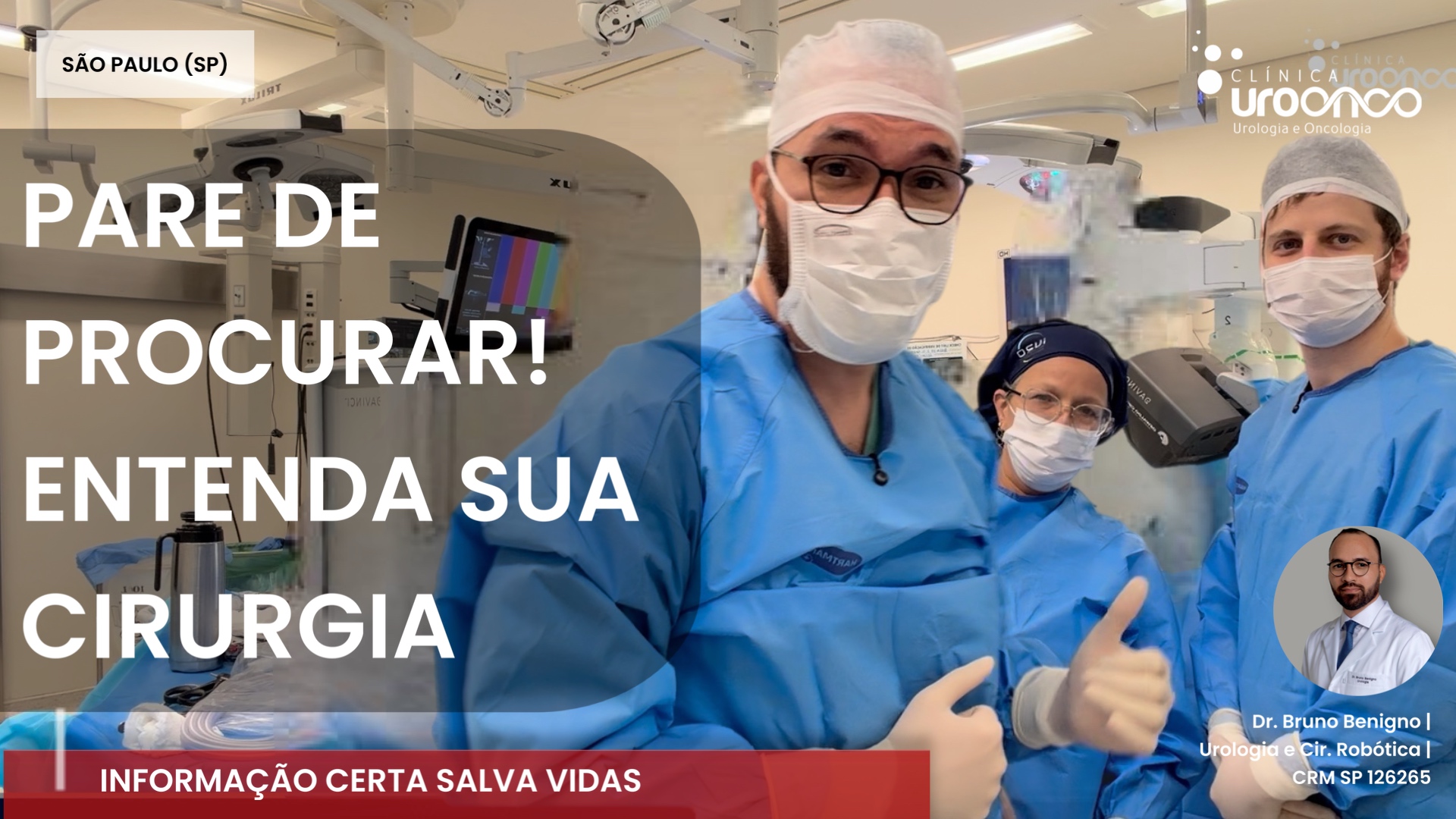
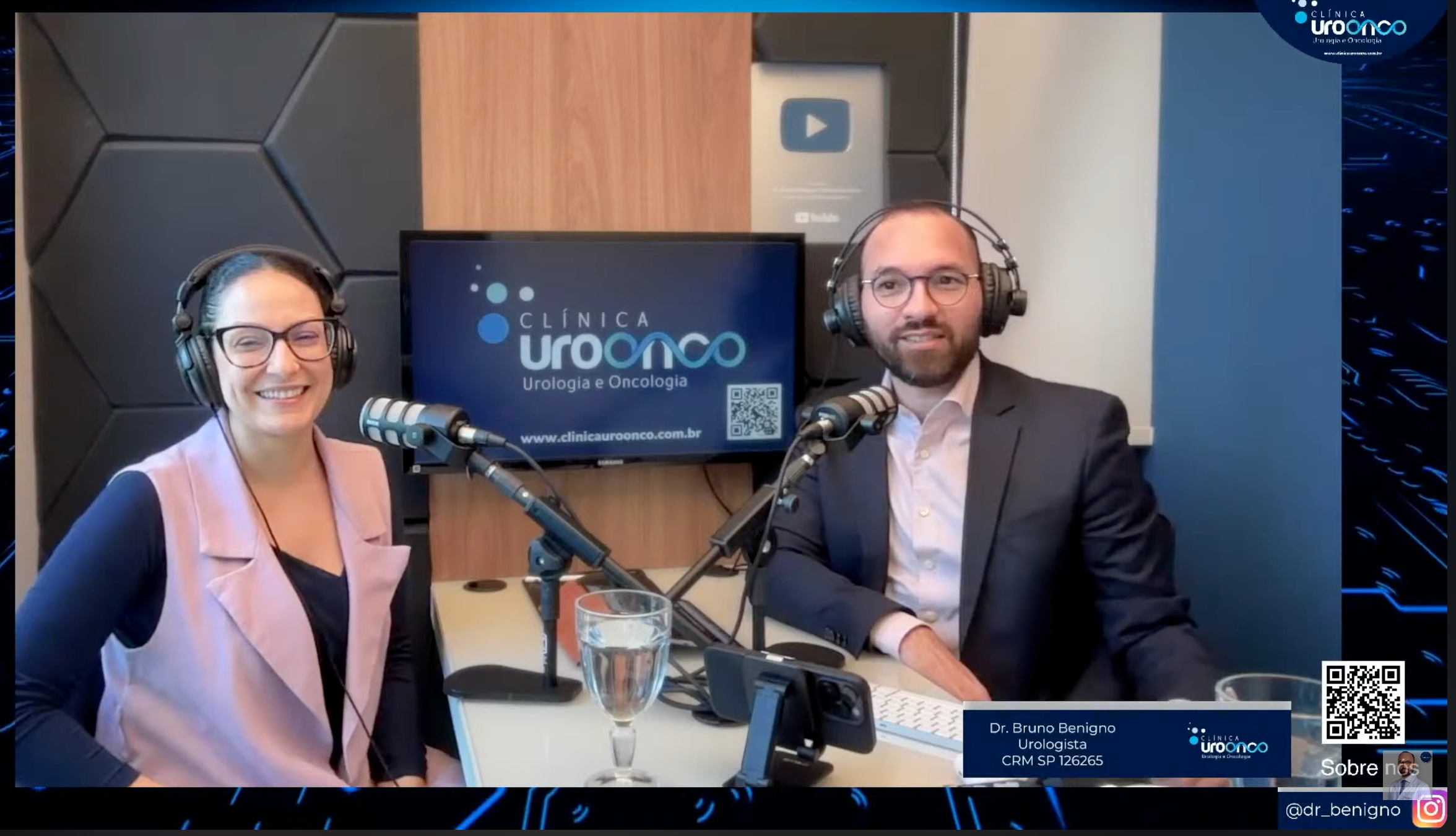
Watch Our Explainer Videos
See visually how the surgery and recovery process led by Dr. Bruno Benigno works.

What Really Speeds Up Recovery
The bundle of 4 key interventions for urinary continence, based on meta-analyses and international guidelines.
Kegel Exercises
Pelvic floor training more than doubles the chance of short-term continence. It is started before surgery and resumed after the catheter is removed.
Pelvic Floor Physiotherapy
Specialized follow-up with biofeedback and electrical stimulation. Superior to home training, dramatically reducing the time spent using pads.
Lifestyle Changes
Weight loss, reduced caffeine and alcohol intake, and quitting smoking are essential to avoid overloading the anastomosis.
Close Follow-Up
Regular in-person or telemedicine visits every 2 to 4 weeks during the first 3 months, adjusting the protocol for your best outcome.
The First Week and Catheter Removal
At Home, With the Urinary Catheter
The first week is the strangest. Pain is minimal thanks to the ERAS (Enhanced Recovery After Surgery) protocol, but the catheter causes discomfort. Essential care:
- Daily securing: tape it to the thigh with Micropore tape. Never leave it hanging.
- Hygiene: wash the external area with water and mild soap only.
- Hydration: 2 to 2.5 liters of water per day to keep the urine clear.
- Mobility: Light walks around the house every 2 hours are encouraged.
Catheter Removal (Day 7 to 14)
It takes place in the office and is quick and painless. Most men leave wearing an adult diaper or a male pad. Urine leakage on exertion in the first days is expected and part of the process. Wearing a diaper in the first weeks is not a failure; it is a stage.
Sexual Function and Penile Rehabilitation
Along with continence, recovery of erectile function is the biggest concern. Success depends on preserving the neurovascular bundles during robotic surgery, on pre-operative function and on a structured protocol.
The Modern Protocol
The rationale is to preserve tissue oxygenation while the nerves recover, preventing fibrosis.
- Medications (PDE5 inhibitors): Tadalafil or sildenafil, started after catheter removal and continued for 12 to 18 months.
- Vacuum Pump (VED): Daily use to improve oxygenation and maintain length.
- Injections (Alprostadil): Indicated after 3 to 6 months if other therapies are insufficient.
*Note: In patients with nerve preservation and preserved function, 60 to 80% recover erections sufficient for sexual activity within 12 to 24 months. Ejaculation no longer occurs (dry orgasm).
Recovery Overview
What to expect at each clinical stage during the first 12 weeks.
Hospital Stay and Discharge
Minimally invasive pain control, early ambulation (ERAS). Hospital discharge usually within 24 to 48 hours.
Recovery at Home
Urinary catheter care, relative rest, good hydration and light daily walks.
Catheter Removal
A quick in-office procedure. Kegel exercises for pelvic strengthening start immediately.
Gradual Return
Progressive continence (30 to 50% improvement). Return to light office work and clearance to drive (after 2 weeks).
Active Rehabilitation
Start of medication-based penile rehabilitation. Partial return to moderate physical exercise.
Consolidation
60 to 80% achieve adequate continence. Clearance for first attempts at sexual activity and review of the first post-operative PSA.
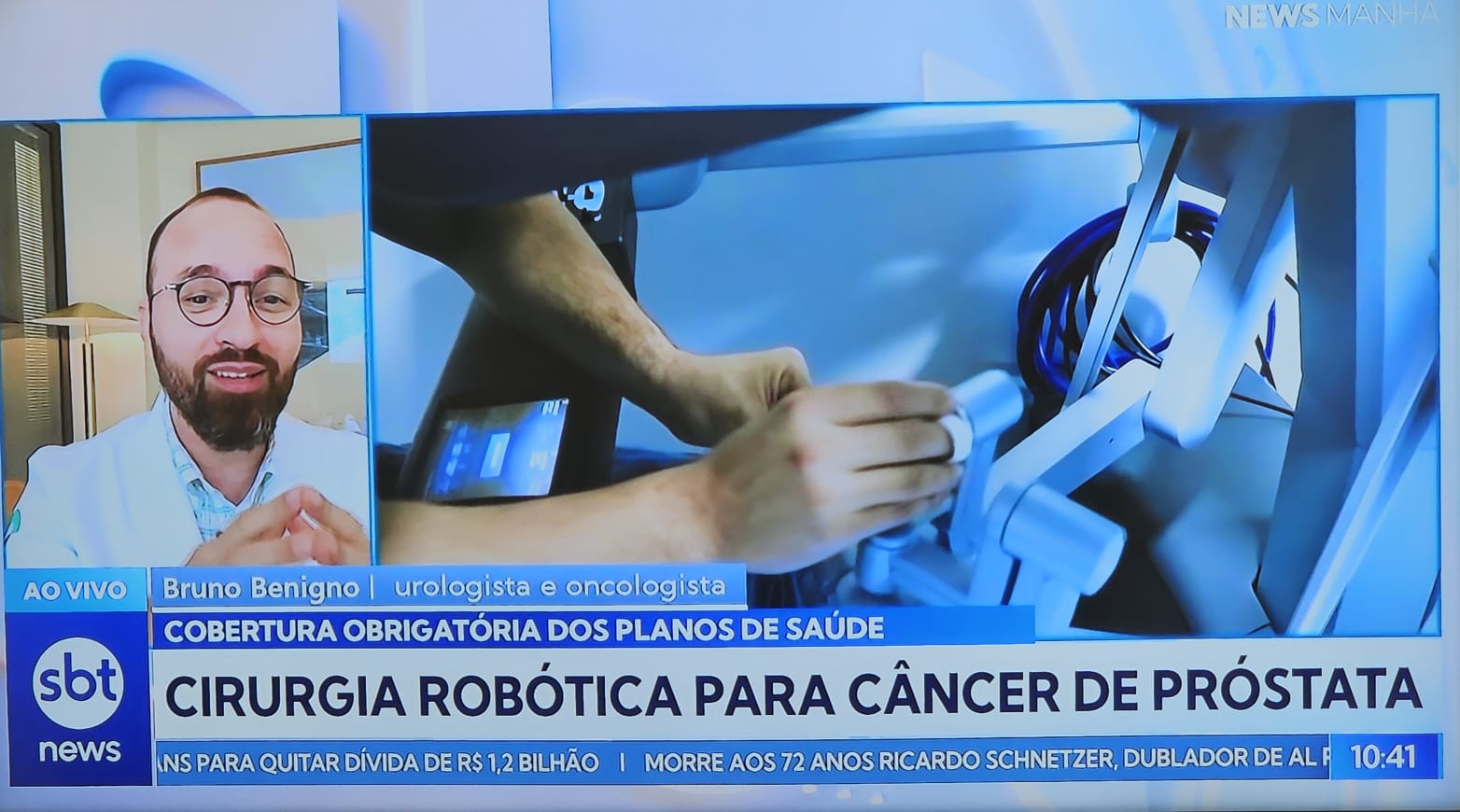
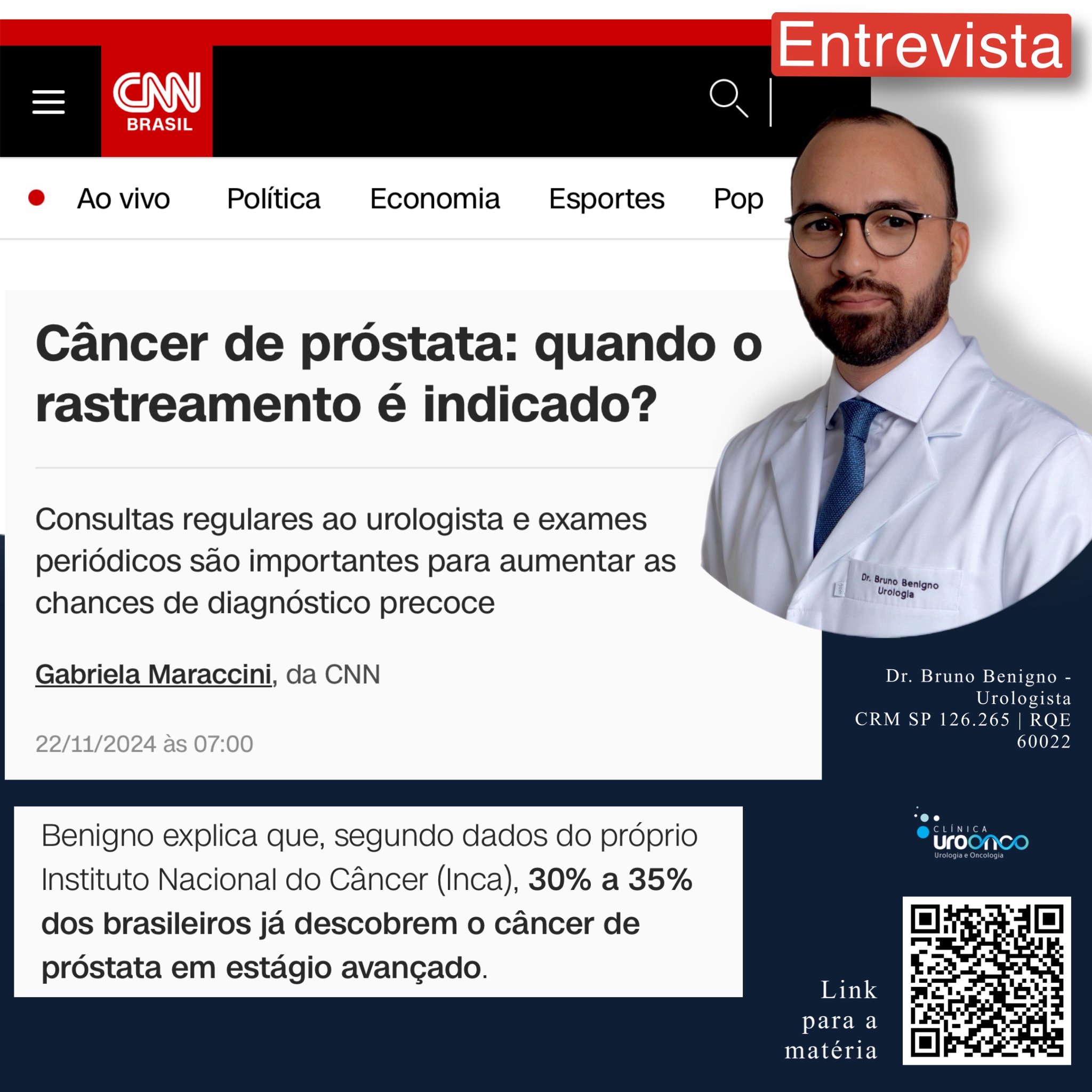
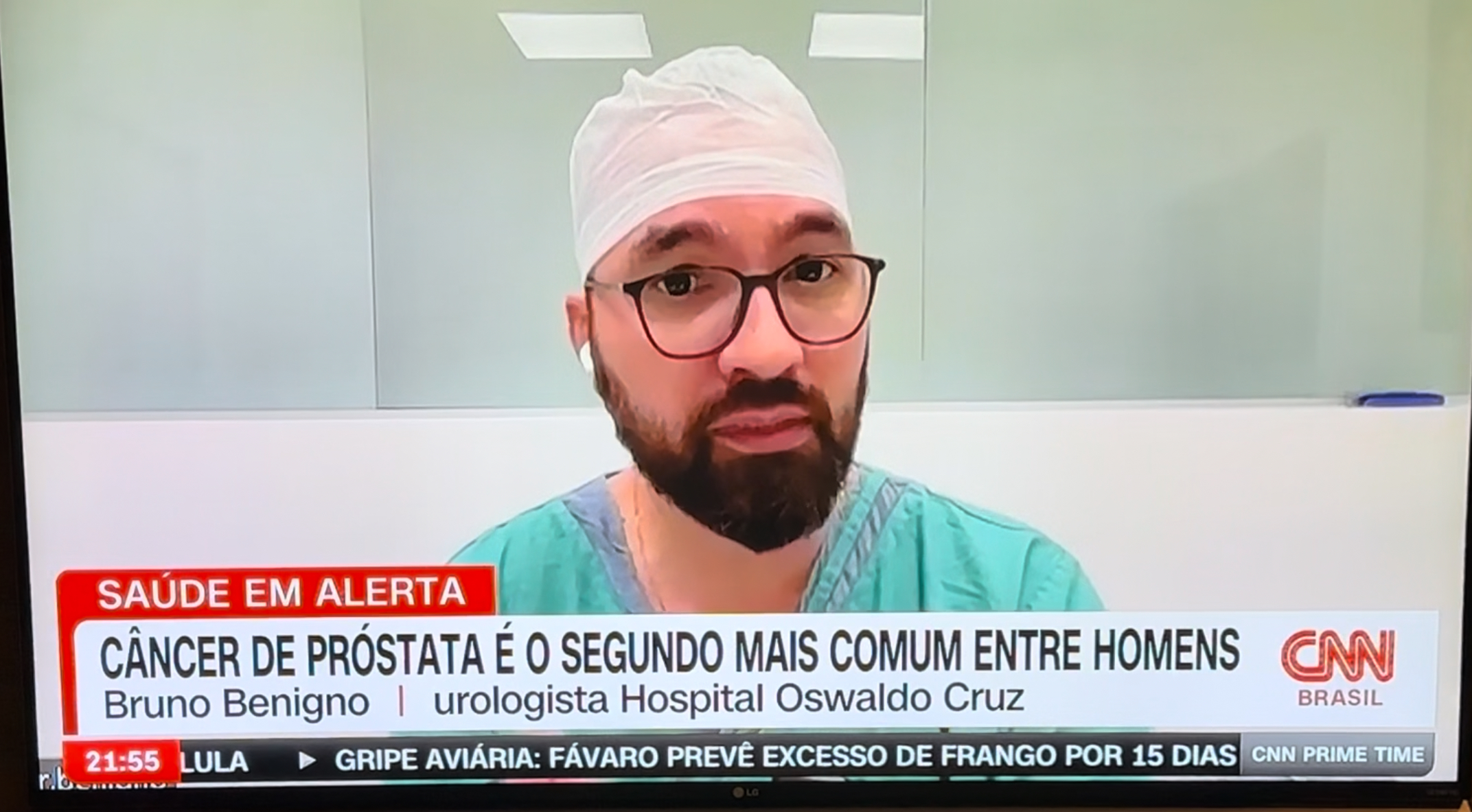
Our Facilities and Practice
Excellence in the operating room and compassionate clinical follow-up.



Our Patients’ Experience
"The robotic surgery with Dr. Bruno was excellent. But what reassured me most was the support in the following weeks. The pelvic rehabilitation protocol made all the difference in my quick return to work."
"I live outside the city and did all my post-operative follow-up with the team via telemedicine. I felt extremely safe. Knowing exactly what to expect regarding continence and sexual function relieved a lot of anxiety."
"The clinic’s guidance is clear and realistic, with no false promises. I followed the medication rehabilitation protocol to the letter and the results came sooner than I expected. I highly recommend it."
Frequently Asked Questions (FAQ)
Hospitals Where We Operate in São Paulo
Expertise that embraces. Science that explains.
Care that transforms.
Every patient is unique. What you have read is the best of science translated into practice, but your individual plan depends on an evaluation. Need guidance on your post-operative recovery or want to discuss a surgical recommendation?
Clínica Uro Onco — Rua Borges Lagoa, 1070, Conjunto 131, Cobertura — Vila Clementino, São Paulo/SP
