
Prostate Biopsy Results: How to Interpret Gleason and ISUP
For many men, receiving the biopsy report is the most anxious moment of the journey. Take a deep breath. Even a positive result rarely requires immediate decisions. Every word in the report carries precise clinical information that points to a specific path.
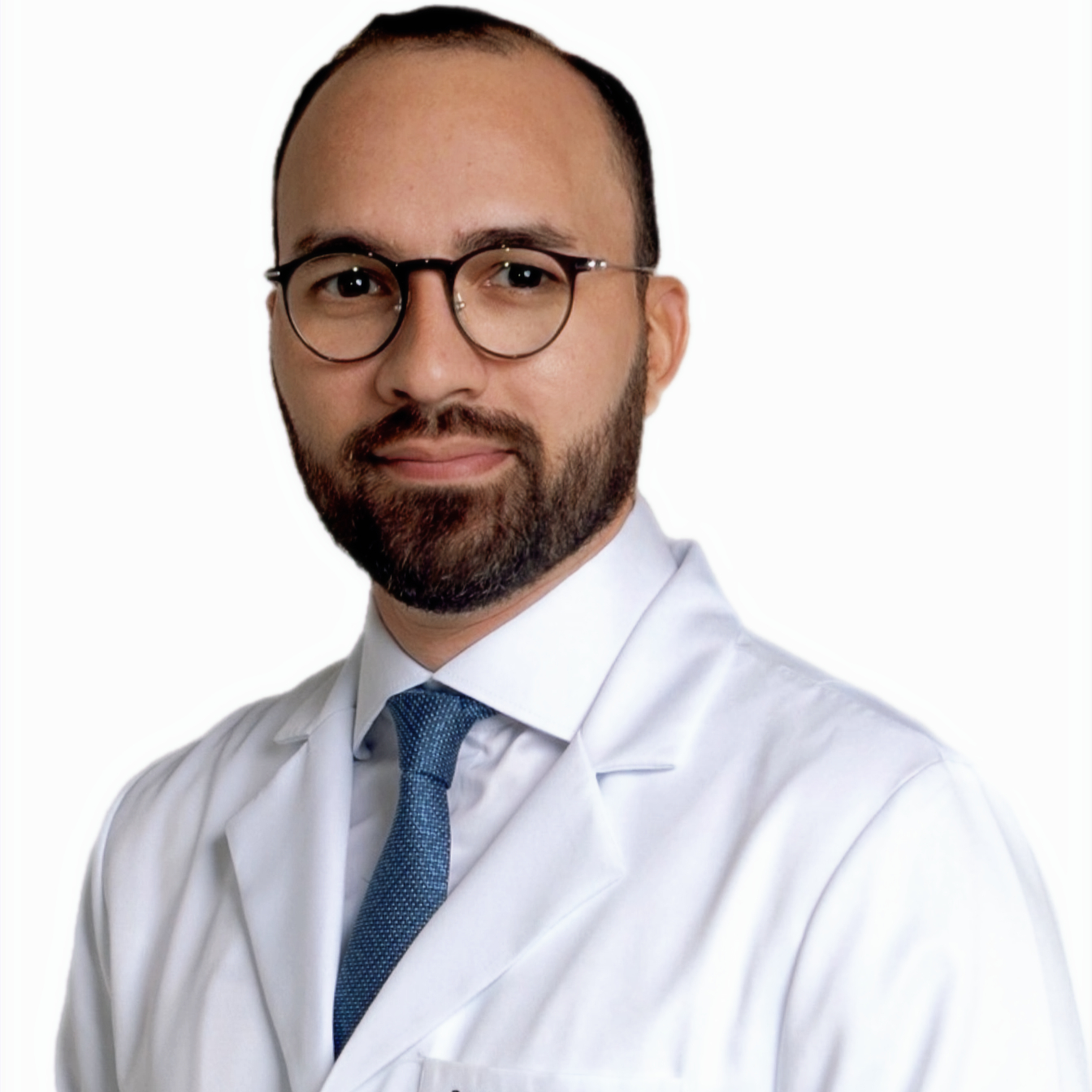 View Full Profile
Dr. Bruno Benigno
- Member of the AUA (American Urological Association)
- Robotic Surgery and Focal Therapies
- Hospital Alemão Oswaldo Cruz
- Hospital Vila Nova Star
Understand the details of your report
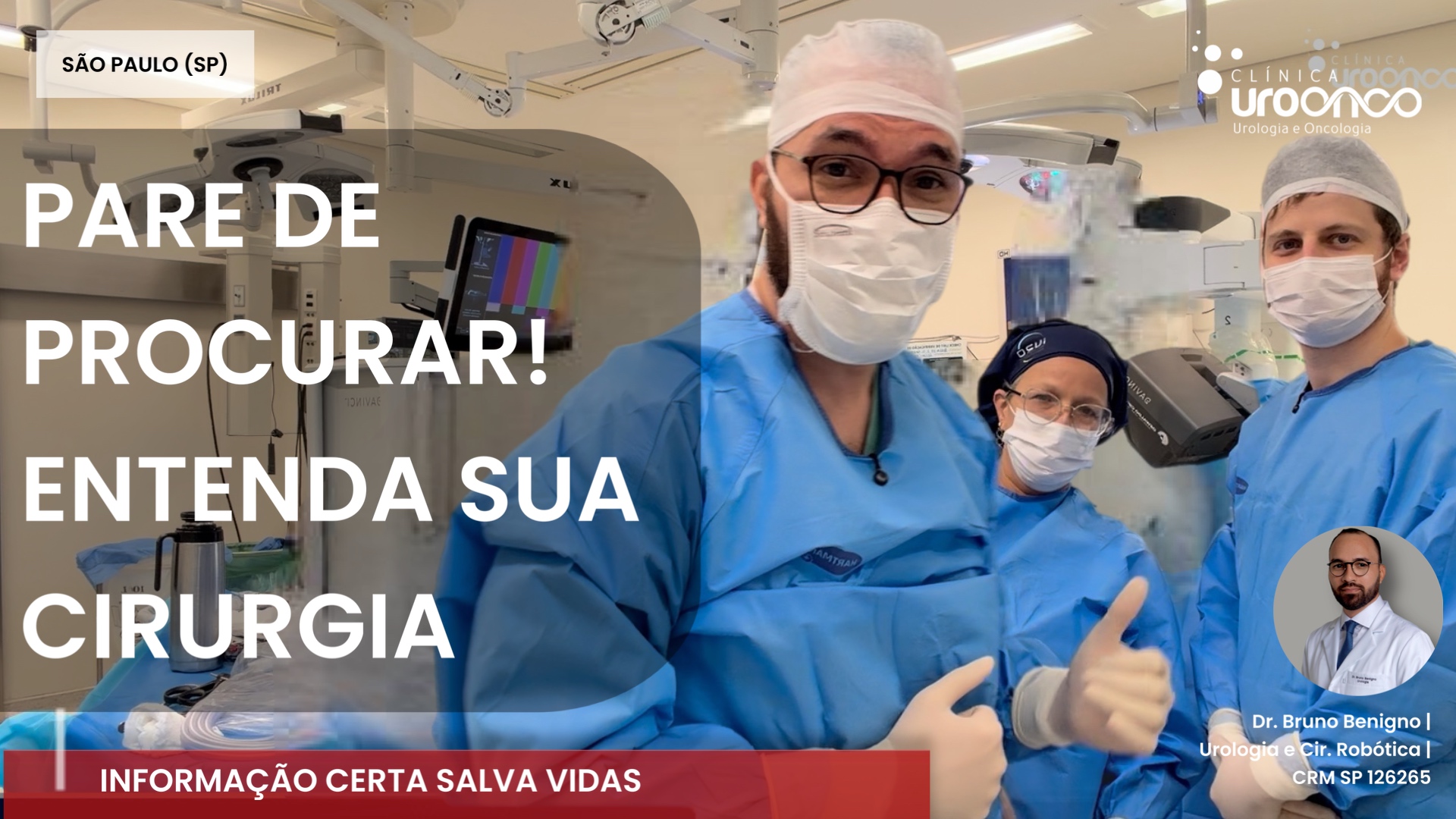
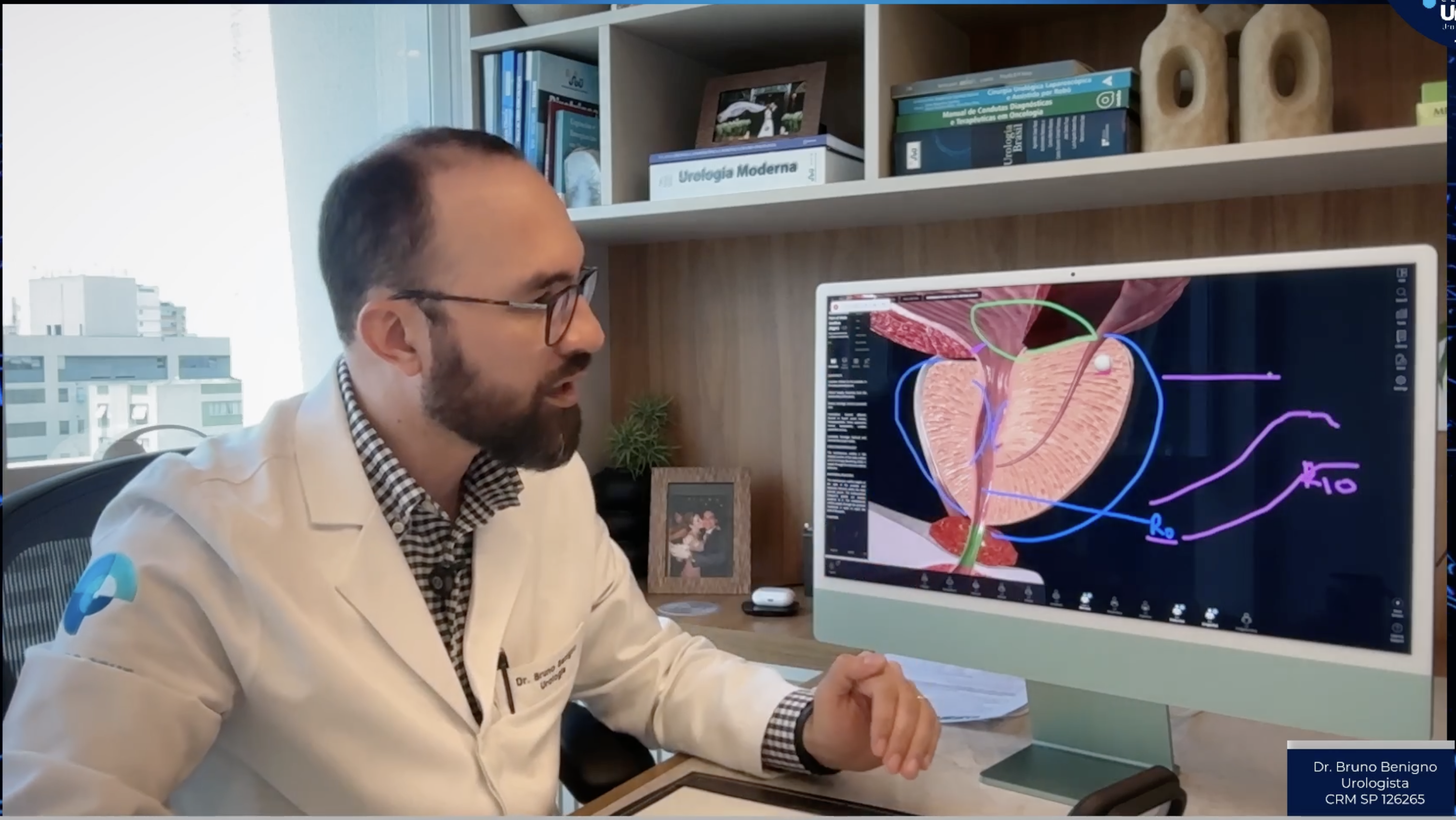
The pathology report of a prostate biopsy is the most important document of the entire diagnostic journey. Watch the video to understand the key terms.
The Gleason Score and the ISUP System
The Gleason score has been organized into 5 Grade Groups (ISUP Grade Groups). Today, every modern report shows both side by side. See what each group means in clinical practice.
ISUP Grade Group 1
Low RiskGleason: 3+3 = 6
Well-differentiated tumor with very slow growth. The probability of dying from prostate cancer within 15 years is often less than 1%.
Approach: Active surveillance is the preferred recommendation in selected patients.
ISUP Grade Group 2
Favorable IntermediateGleason: 3+4 = 7
The less aggressive pattern predominates. A real risk of progression, but the prognosis is generally good.
Approach: Active surveillance in very carefully selected cases, but active treatment (surgery or radiotherapy) is the more common option.
ISUP Grade Group 3
Unfavorable IntermediateGleason: 4+3 = 7
The more aggressive pattern predominates. Its behavior is quite different from ISUP 2 and requires closer attention.
Approach: Active treatment is generally indicated (radical prostatectomy or radiotherapy). Active surveillance is not recommended.
ISUP Grade Group 4
High RiskGleason: 8 (4+4, 3+5 or 5+3)
Poorly differentiated tumor. Significant risk of progression and metastatic disease. Requires thorough staging.
Approach: Active treatment is necessary, often combined (surgery with lymph node dissection, or radiotherapy with hormone therapy).
ISUP Grade Group 5
Very High RiskGleason: 9 or 10
Undifferentiated tumor. Very high risk of local and systemic progression. Aggressive, multidisciplinary management is mandatory.
Approach: Complete staging and multimodal treatment (surgery, radiotherapy, hormone therapy).
Other Findings
Be AwareTerms such as ASAP (suspicious but not diagnostic), high-grade PIN (a precancerous lesion) and perineural invasion also shape the prognosis and require specialist attention when reading the report.
What comes after the diagnosis?
One of the most common worries is feeling there is no time. The scientific literature shows that making the right, well-planned decision matters more than making a rushed one.
Interpretation Consultation
Review of the report with a uro-oncologist: core-by-core analysis, percentage of involvement and assessment of whether a second pathology opinion is needed.
Staging (If Needed)
Depending on the ISUP Grade Group, additional tests may be ordered, such as MRI, PET-PSMA or a bone scan, to map the extent of the disease precisely.
Treatment Decision (4 to 8 weeks)
A multidisciplinary discussion of the options: active surveillance, robotic surgery, radiotherapy or combined therapies. A 4- to 8-week planning period is safe and recommended for most cases.
Start of Treatment or Monitoring
Carrying out the plan, focused on cure or close control, always aiming to preserve quality of life and urinary and sexual function.
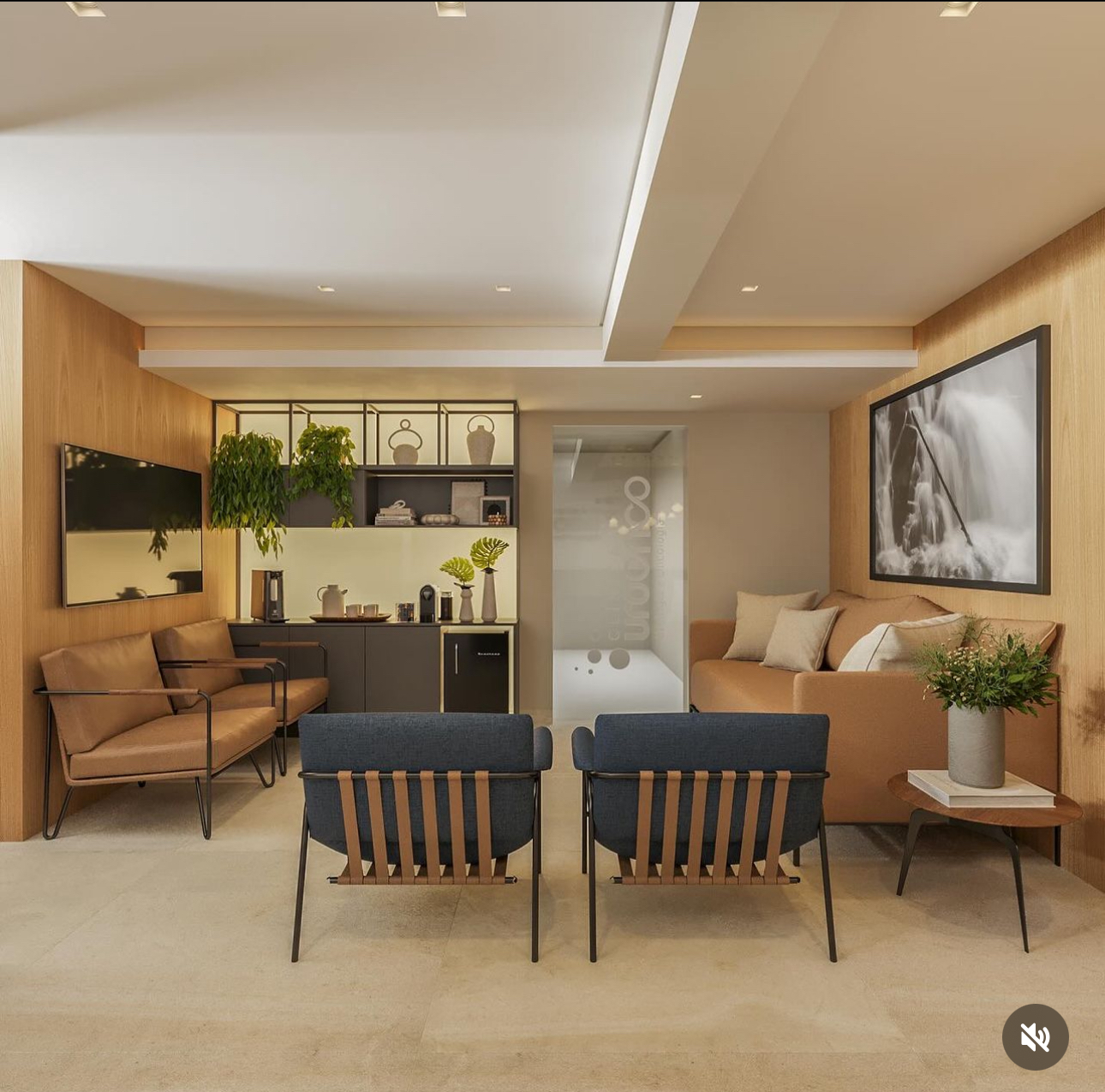
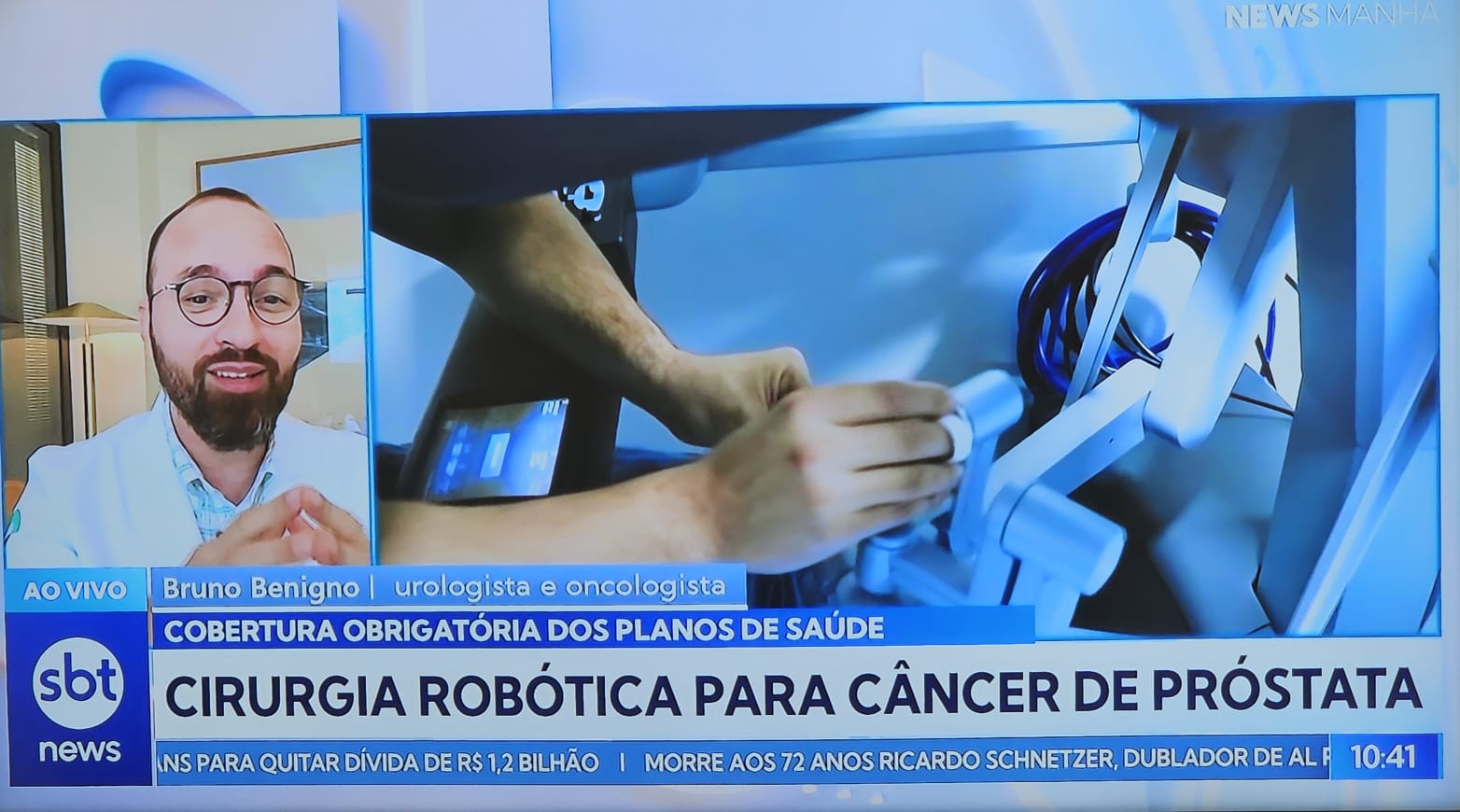
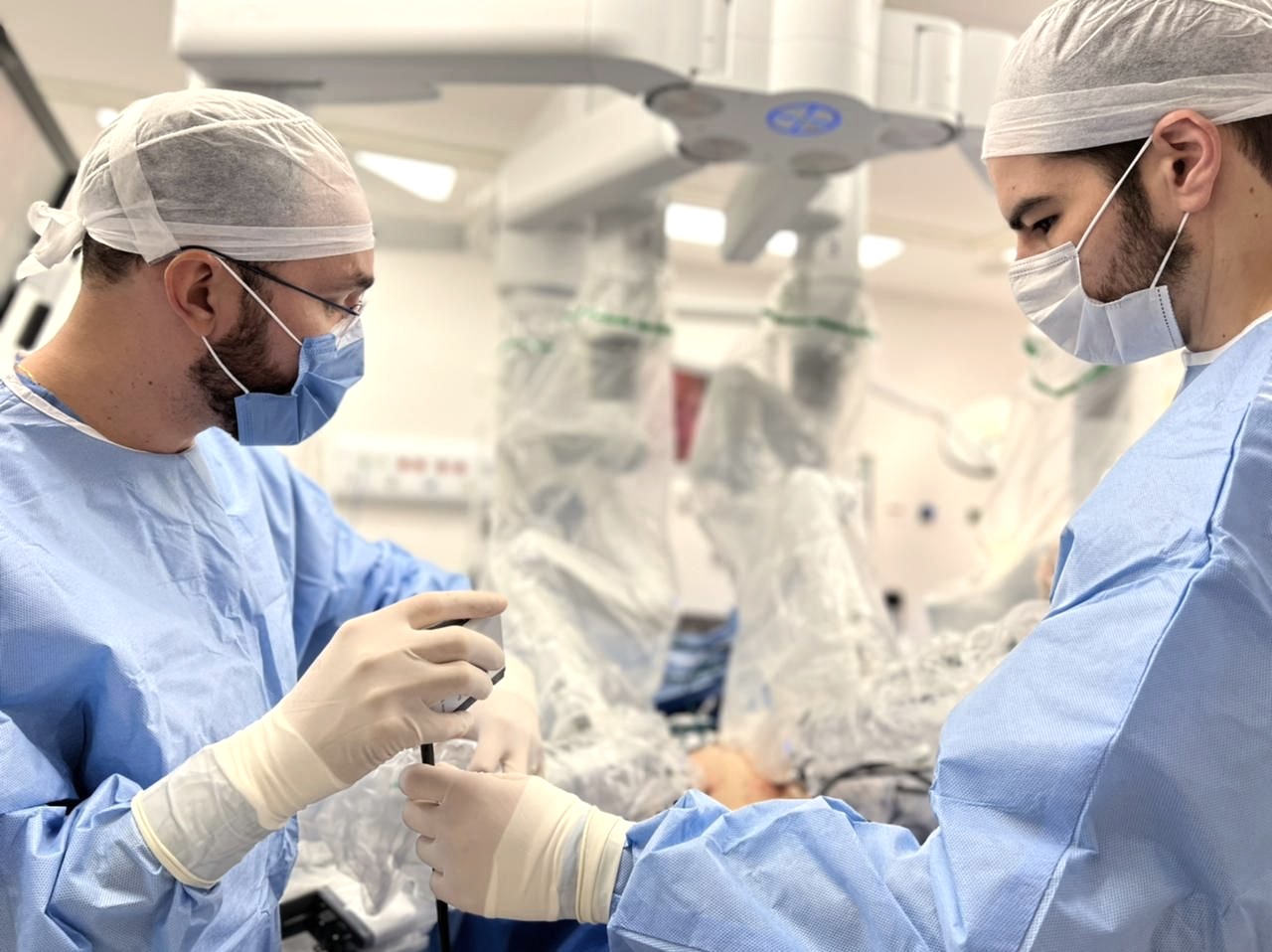
Facilities and Technology Working for the Patient
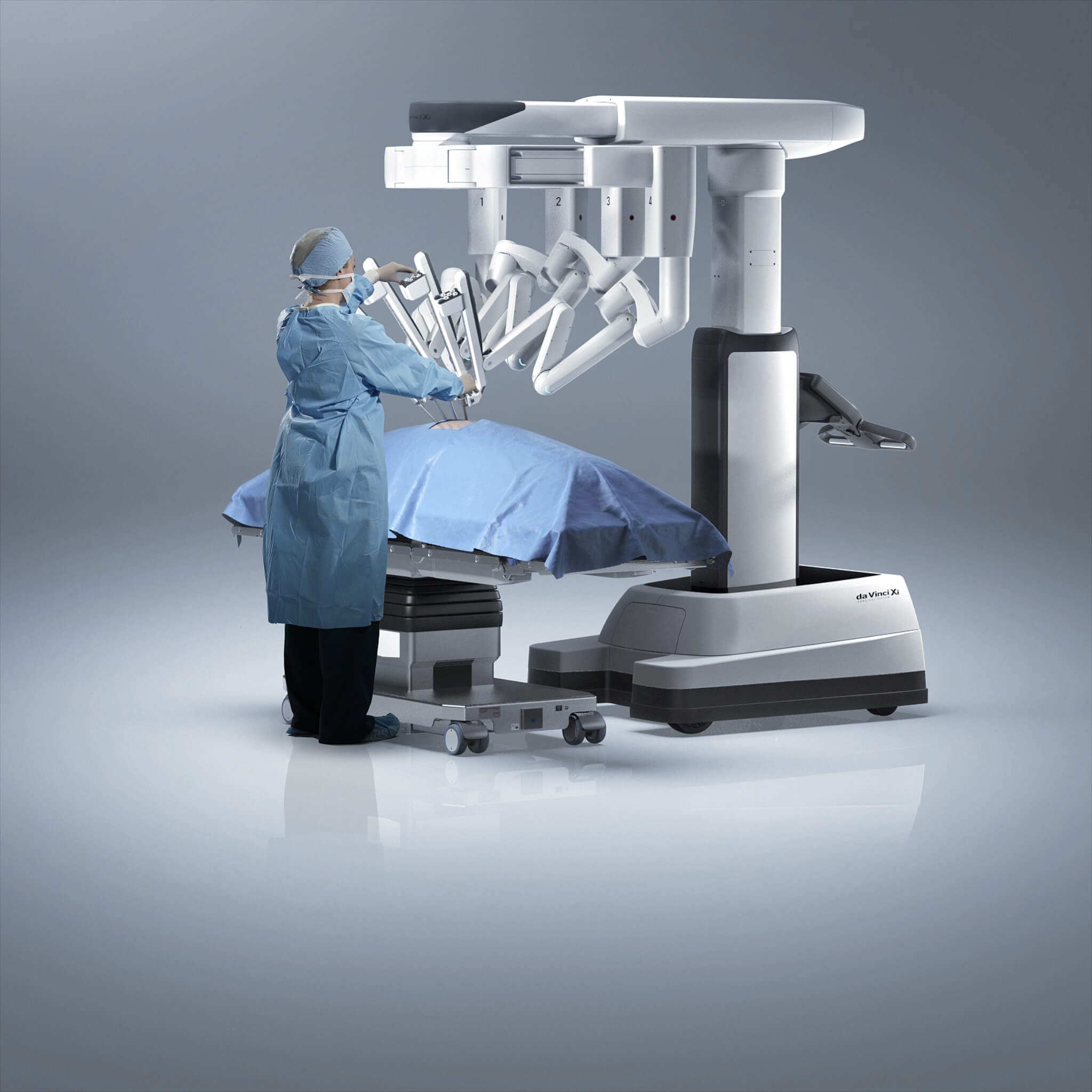
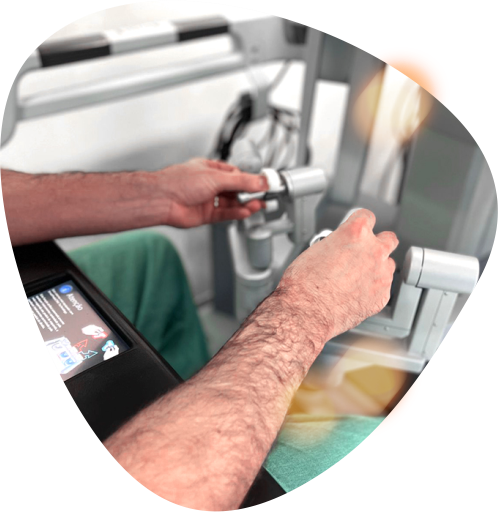
We work with the most advanced treatment protocols and robotic surgery at centers of excellence in São Paulo.



What our patients say
Stories from men who went through the journey from diagnosis to treatment with us.
"I was diagnosed with Gleason 7 and was terrified. The consultation with Dr. Bruno gave me the clarity I needed. The time he took to explain the report and the treatment options was key to my decision."
"An excellent professional. He advised me on whether active surveillance was appropriate for my ISUP 1 case, based on solid evidence. I feel completely supported and at ease with the follow-up."
"The team was impeccable, from reviewing my biopsy to staging with PET-PSMA and robotic surgery. I recommend them to anyone looking for a serious, ethical and deeply caring uro-oncology specialist."
Frequently Asked Questions (FAQ)
The most common questions about the results and terms in your biopsy report.
Hospitals Where We Operate in São Paulo
Your next consultation with Dr. Bruno Benigno
The results consultation is the most important moment of your journey. Every term in the report can influence the treatment decision. We see patients in person in São Paulo and via telemedicine throughout Brazil.
Clínica Uro Onco | Rua Borges Lagoa, 1070, Conjunto 131, Cobertura — Vila Clementino, São Paulo/SP
