Skip to content
Uro-oncology · Robotic surgery · São PauloIn-person and telemedicine · WhatsApp (11) 99590-1506 · Tel. (11) 2769-3929
Urologic Oncology in São Paulo

Prostate Cancer in São Paulo: accurate diagnosis, individualized treatment.

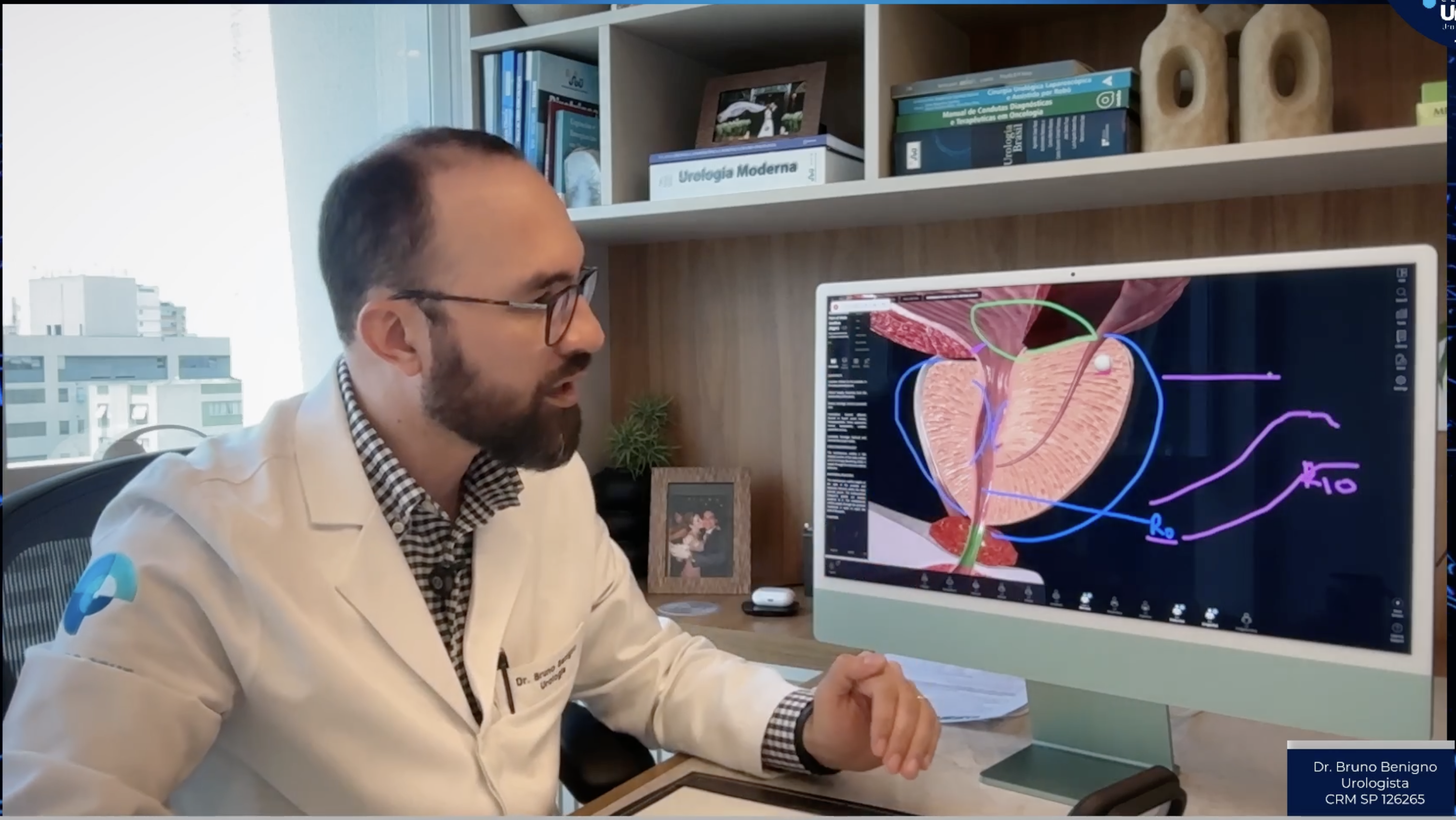
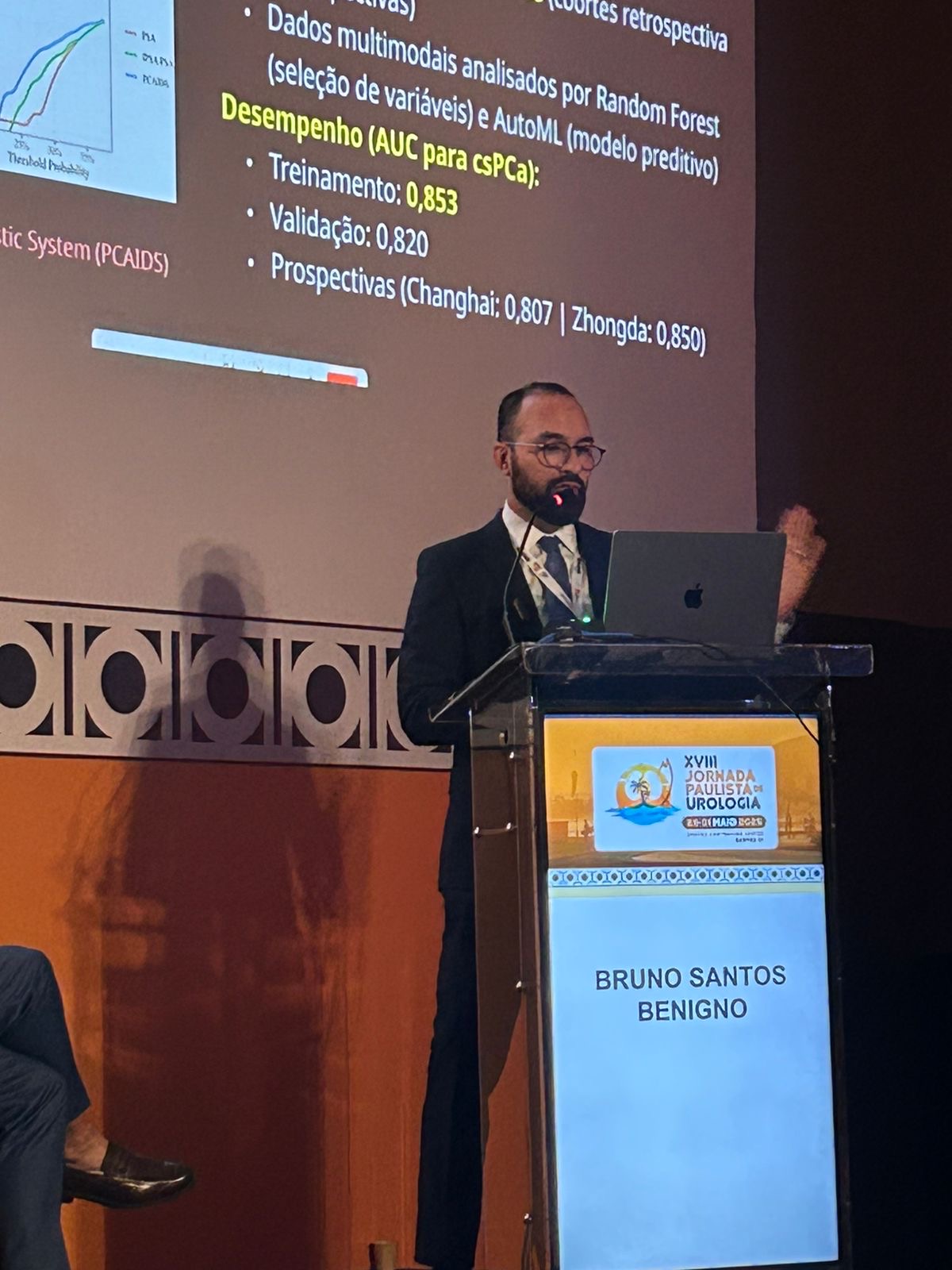
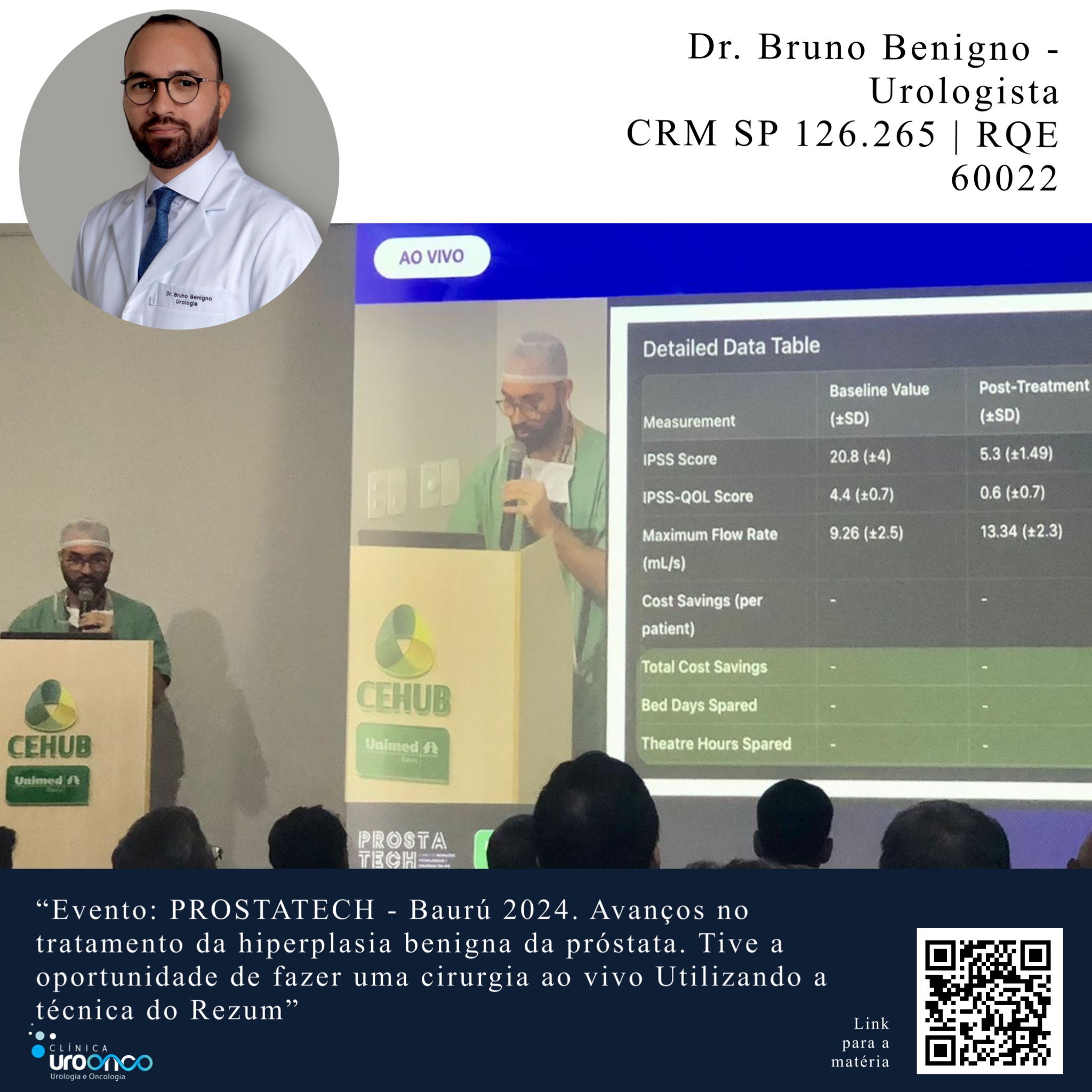
Dr. Bruno Benigno is a urologic oncologist working in robotic surgery, multiparametric MRI, fusion biopsy and PET-PSMA. Here, you do not choose alone between surgery, radiotherapy or active surveillance — we decide together, based on evidence.

Dr. Bruno Benigno

CRM-SP 126265 • RQE Urology

  • Specialist in Urologic Oncology
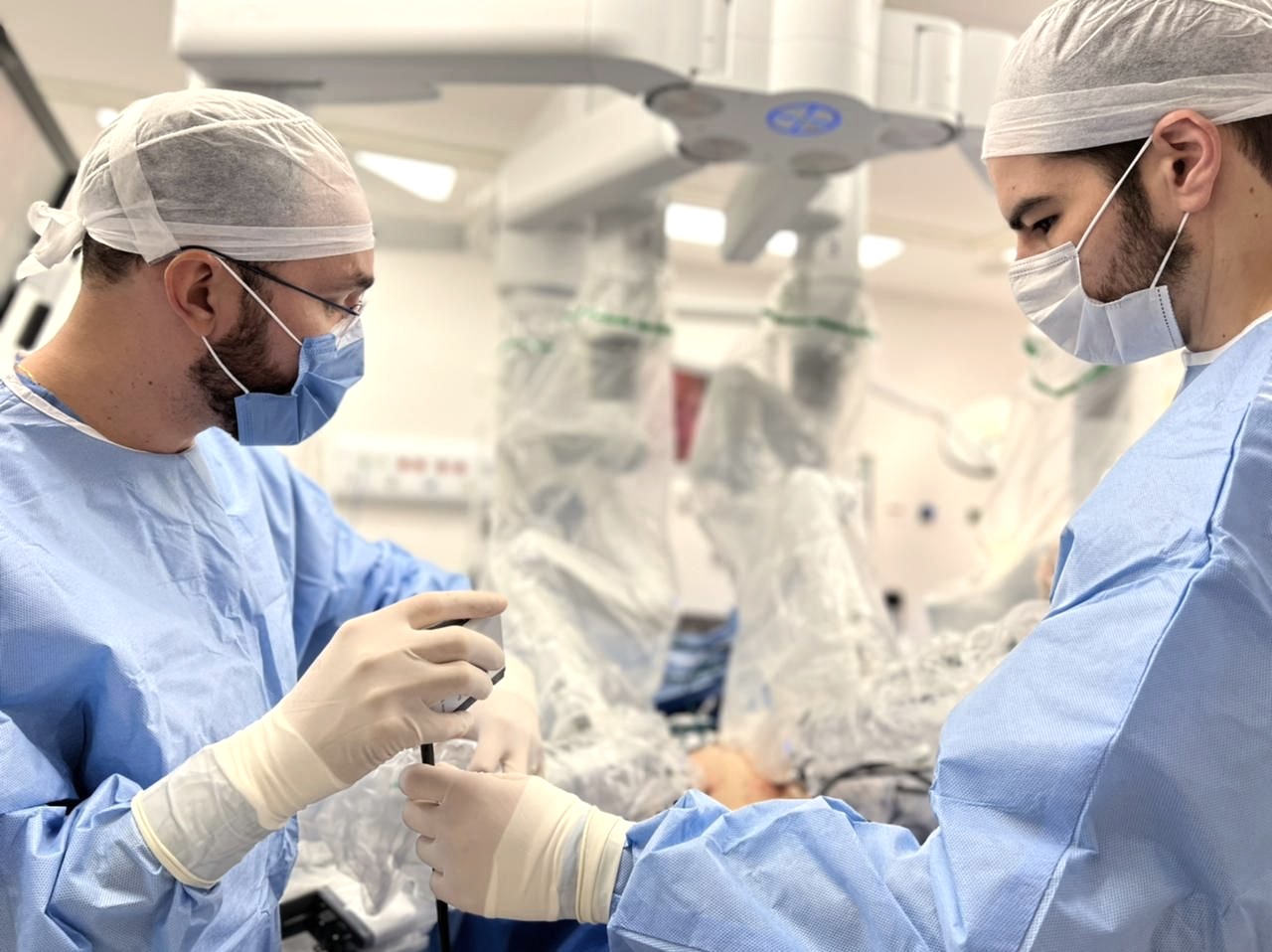
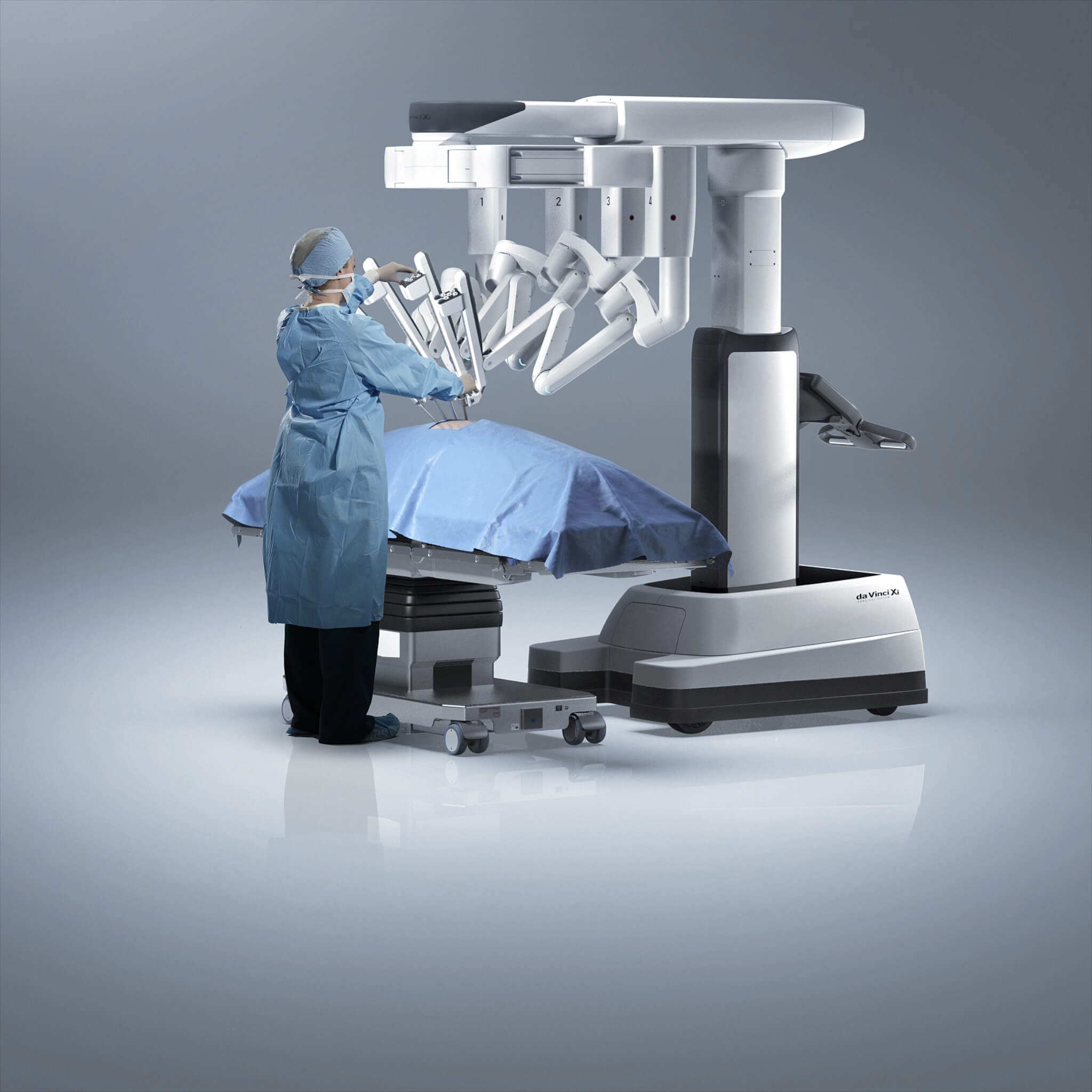
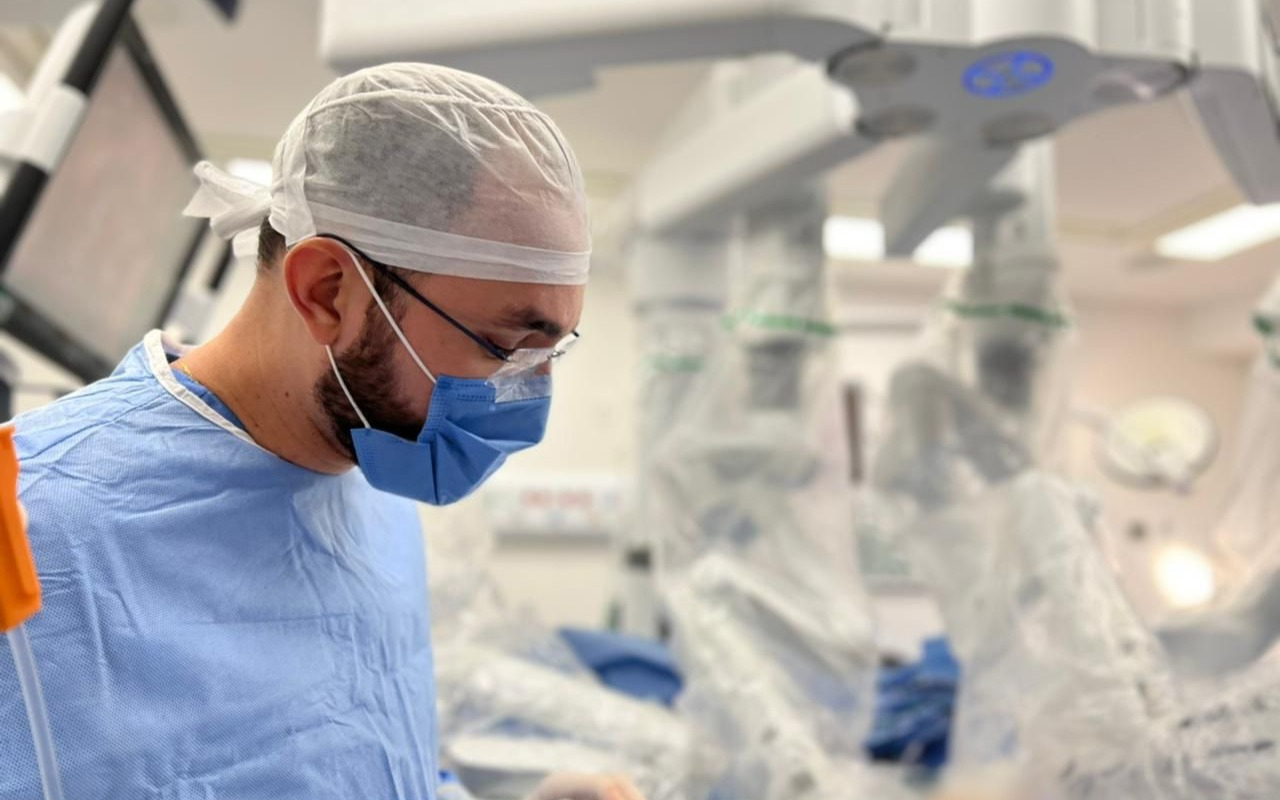
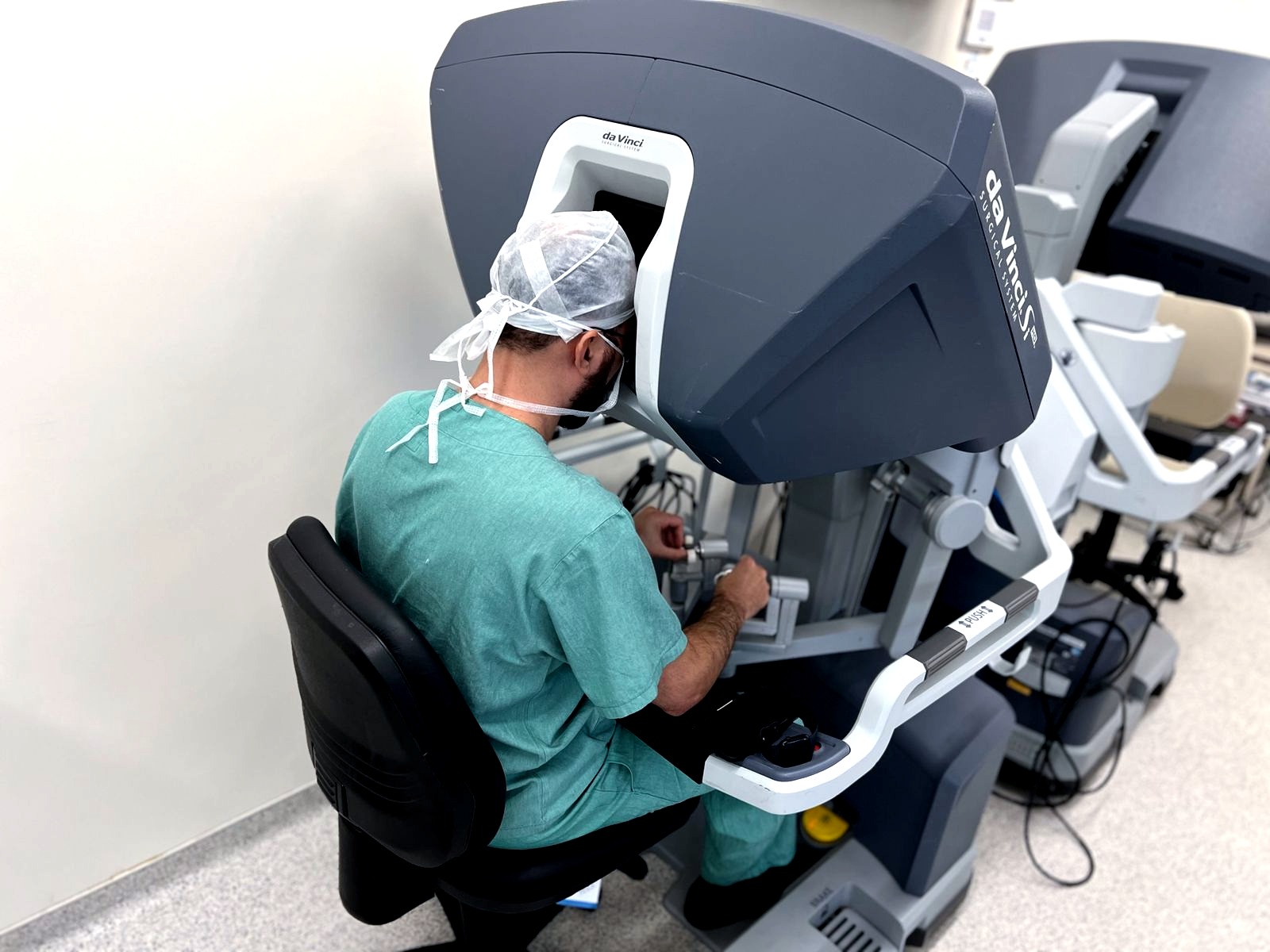
  • da Vinci® Robotic Surgery
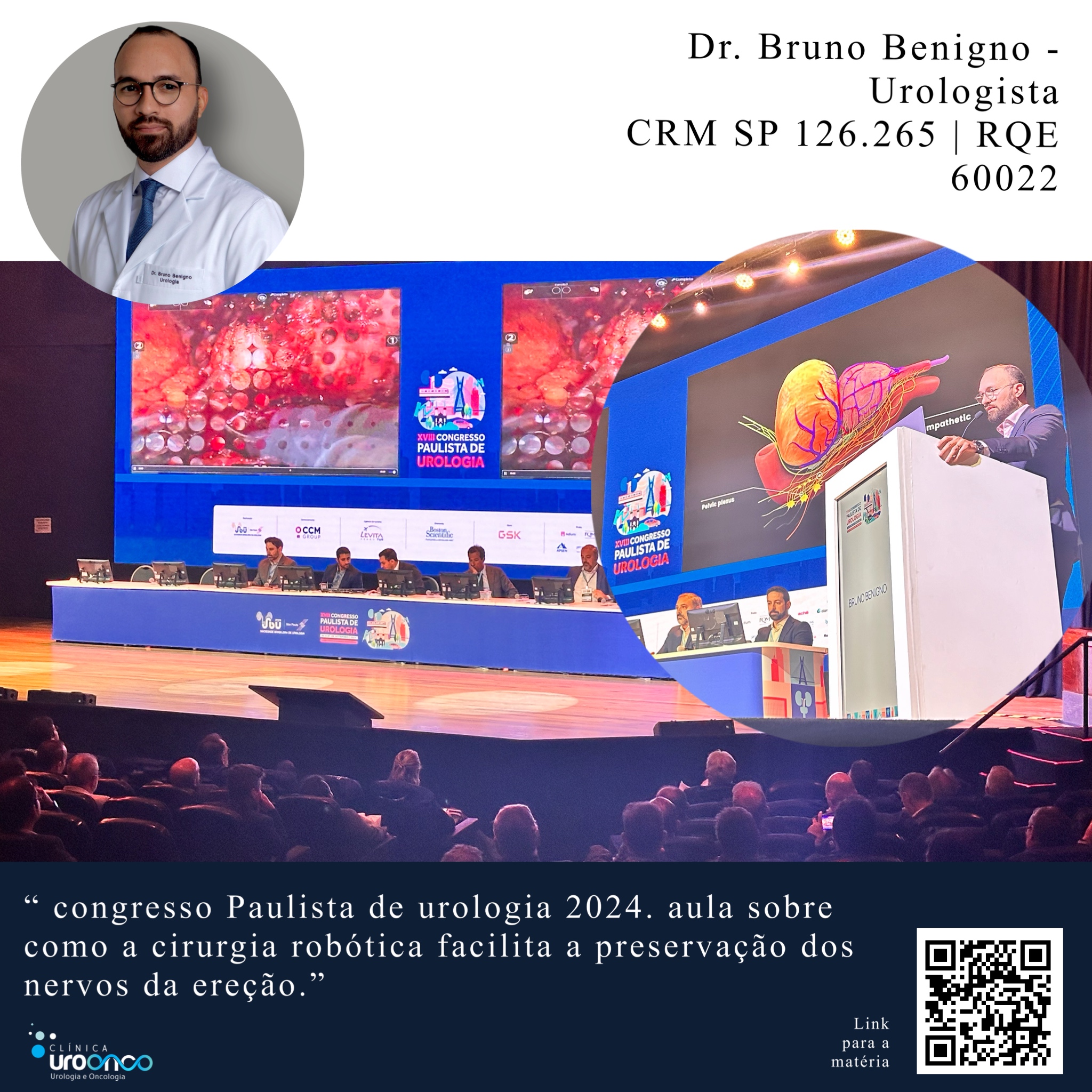
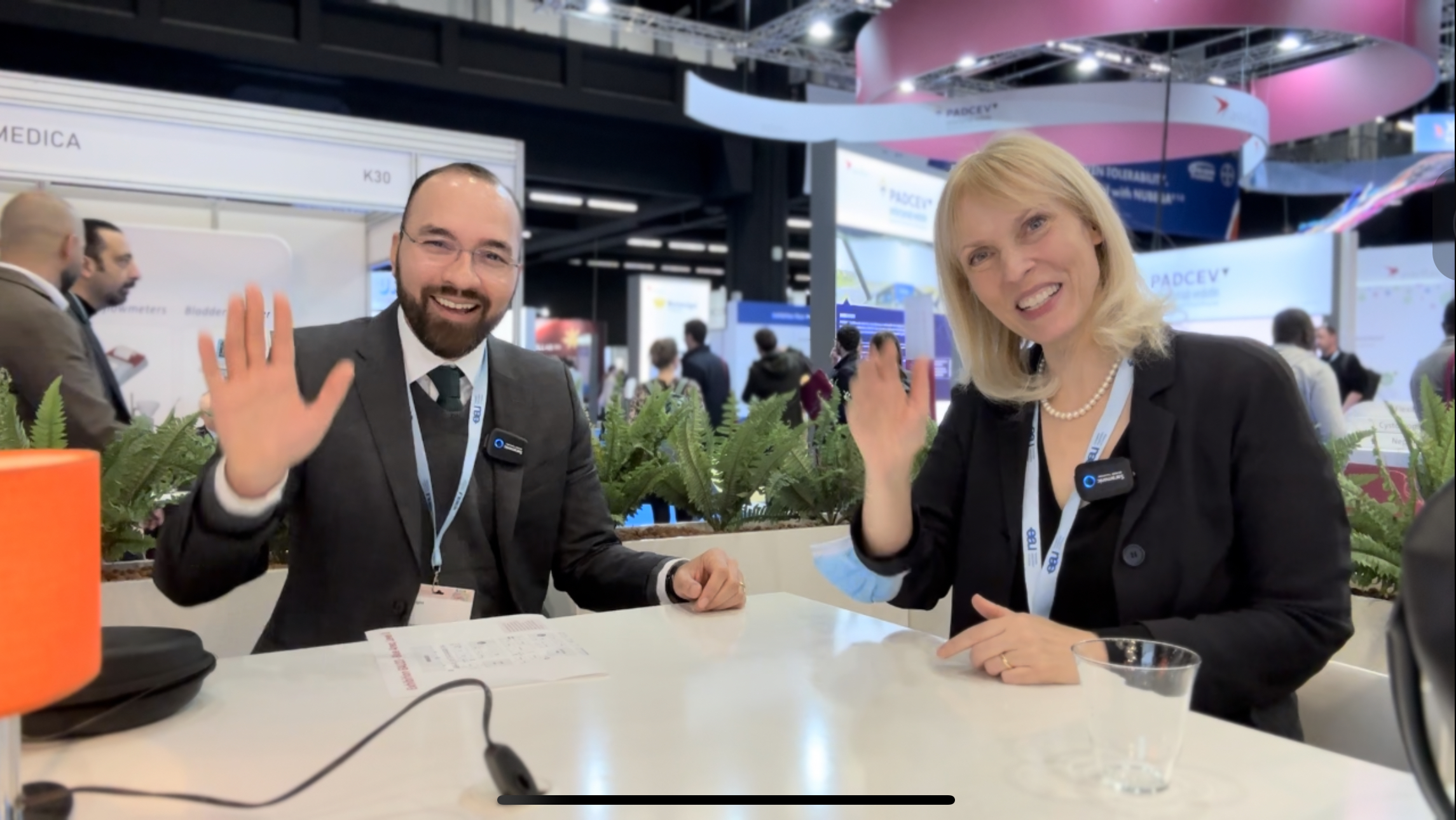
  • Full Member of SBU, AUA and EAU
10+ years dedicated to uro-oncology
500+ robotic surgeries performed
4.9 rating on Doctoralia
Decisions based on AUA, EAU and NCCN
Get to know our work

Technology and human-centered care in treatment

Watch the video to understand our technical and caring approach to urologic diagnosis and treatment.
Video thumbnail
Diagnosis & Treatment

From PSA to staging: the complete pathway

A poorly made diagnosis costs years of quality of life. Our workup follows international protocols and individualizes every step.

Initial Assessment

PSA and clinical examination

Assessment of total and free PSA, PSA density and kinetics. Digital rectal exam when indicated. Interpretation in the clinical context.

Imaging

Multiparametric MRI

The current standard for locating suspicious lesions before biopsy. A PI-RADS report enables a safer decision.

Precision

MRI-TRUS fusion biopsy

Biopsy guided by fusing MRI images with ultrasound. Greater accuracy and fewer unnecessary procedures.

Treatment

Robotic Prostatectomy

Direct oncologic control with magnified three-dimensional vision, articulated instruments and neurovascular preservation.

Treatment

Radiotherapy and Hormone Therapy

An approach for locally advanced cases or patients who are not surgical candidates, aiming for efficient outpatient disease control.

Monitoring

Active Surveillance

A strategy for indolent, low-risk tumors that avoids immediate adverse effects through rigorous monitoring.

How It Works

Your journey at Clínica Uro Onco

A clear process, with no surprises. From first contact to post-treatment follow-up.

Step 01

First contact

Screening by our team, in-person or telemedicine scheduling, and guidance on documents and prior tests.

Step 02

Consultation and plan

Detailed medical history, review of tests, ordering of additional exams. Treatment plan discussed with you and your family.

Step 03

Carrying out the treatment

Robotic surgery, referral to a leading radiotherapy center or an active surveillance protocol — with continuous support.

Step 04

Follow-up and rehabilitation

Long-term follow-up, pelvic floor physiotherapy, sexual rehabilitation and ongoing PSA monitoring.

Testimonials

What patients say

"I went to Dr. Bruno for a second opinion after being told I needed immediate surgery. He reviewed my tests, calmly explained each option and offered me active surveillance. Today I am doing well, without surgery."

Patient, 62 years old
Low-risk prostate cancer

"Robotic surgery was much less traumatic than I expected. I was discharged within 24 hours, regained continence in a few weeks and my PSA remains undetectable."

Patient, 58 years old
Robotic prostatectomy

"Technically excellent and humane care. He explained the PET-PSMA and the radiotherapy plan in a way that my wife and I understood every step."

Patient, 67 years old
Intermediate-risk disease
See all reviews on Doctoralia
Frequently Asked Questions

Questions before your consultation

Not necessarily. An elevated PSA can occur with benign prostatic hyperplasia, prostatitis, recent manipulation of the prostate and also with cancer. The workup includes clinical examination, repeat PSA testing, multiparametric MRI and, when indicated, a fusion prostate biopsy.
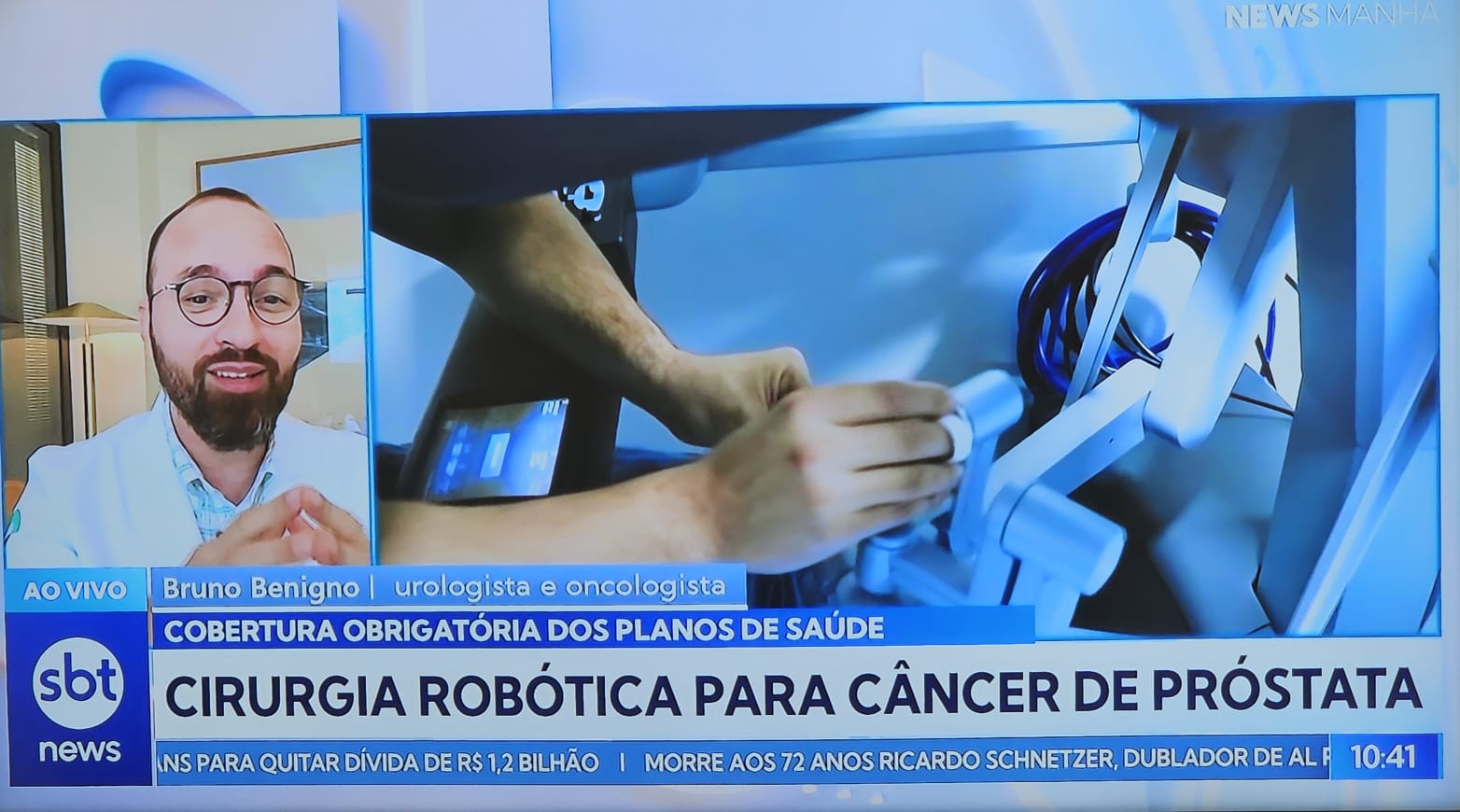
Robotic radical prostatectomy offers magnified three-dimensional vision, articulated instruments and minimal incisions. This tends to result in less bleeding, faster recovery and more precise preservation of the neurovascular bundles responsible for urinary continence and erectile function, when oncologically feasible.
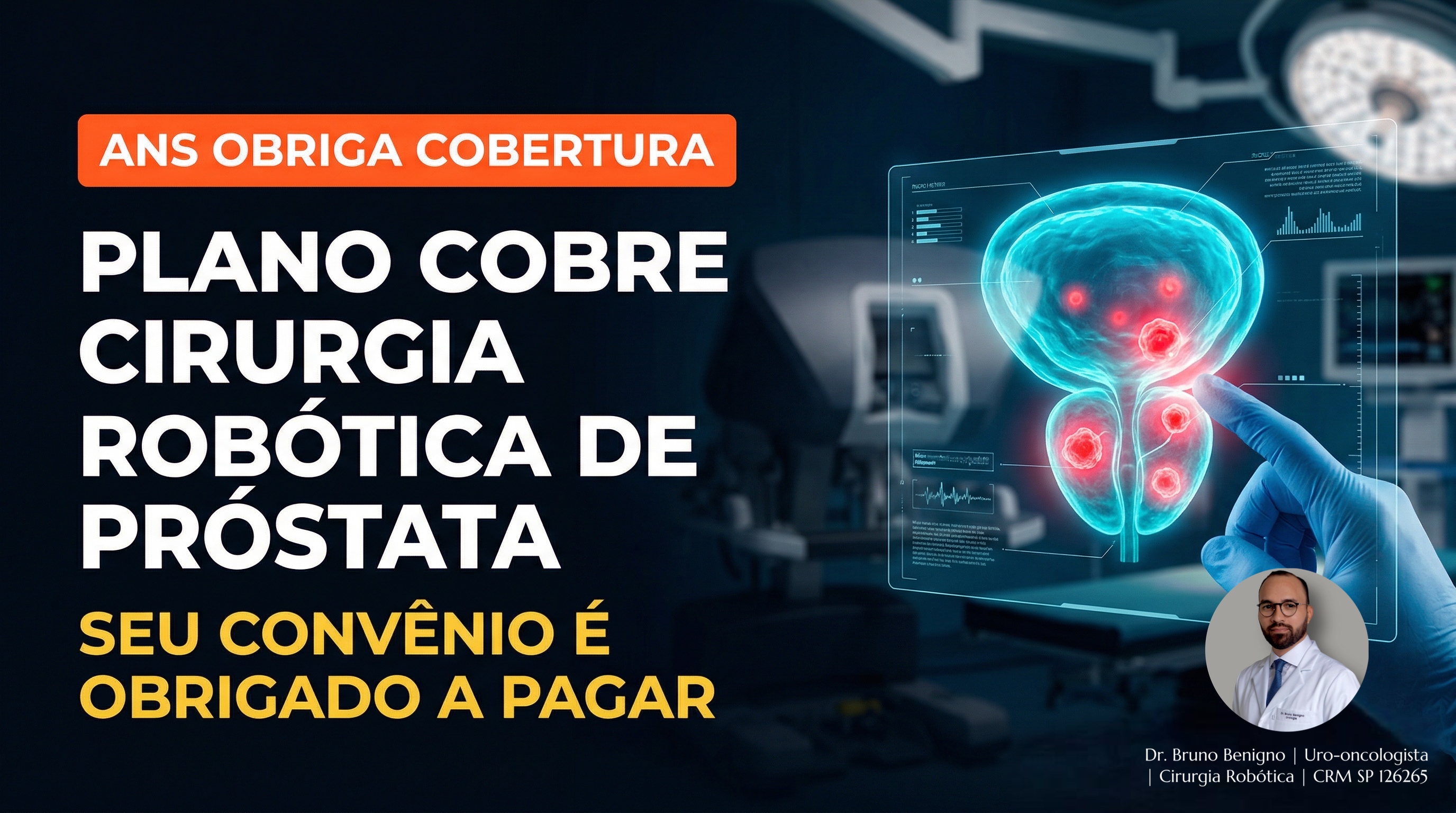
Radical prostatectomy is a procedure that health insurance plans in Brazil are required to cover under ANS (the national health insurance regulator) rules. Coverage of the robotic approach depends on the clinical indication and each insurer's policy — if it is denied, there are administrative and, in some cases, legal routes to secure access.
Active surveillance is a strategy endorsed by the NCCN, AUA and EAU for very low- and low-risk tumors. It consists of monitoring the cancer with periodic PSA tests, MRI and serial biopsies, offering curative treatment only if there are signs of progression — avoiding unnecessary adverse effects in indolent tumors.
PET-PSMA is a molecular imaging exam that identifies prostate cancer cells with very high sensitivity. It is especially useful for staging intermediate- to high-risk patients, investigating biochemical recurrence after surgery or radiotherapy, and evaluating metastatic disease.
Every prostate cancer treatment carries a risk of adverse effects. With nerve-sparing robotic technique and multidisciplinary rehabilitation — pelvic floor physiotherapy and sexual rehabilitation — most men who undergo surgery recover urinary continence and satisfactory erectile function, depending on the stage of the disease and their function before surgery.

Practice at Leading Hospitals

Established partnerships with leading medical centers in São Paulo.

Hospital Israelita Albert Einstein
Hospital Sírio-Libanês
Hospital Oswaldo Cruz
Vila Nova Star
Rede D'Or São Luiz

Your diagnosis deserves a second look.

If you have been diagnosed with prostate cancer, have an elevated PSA or have been advised to undergo treatment and would like a specialist assessment, book a consultation.

In-person consultations in São Paulo · Telemedicine throughout Brazil

Scientific references

The information on this page is based on the guidelines and studies below, published in peer-reviewed medical journals.

  1. Cornford P, van den Bergh RCN, Briers E, et al. EAU-EANM-ESTRO-ESUR-ISUP-SIOG Guidelines on Prostate Cancer—2024 Update. Part I: Screening, Diagnosis, and Local Treatment with Curative Intent. Eur Urol. 2024;86(2):148-163. PubMed · DOI 10.1016/j.eururo.2024.03.027

    European (EAU) guideline updated in 2024: screening, MRI-based diagnosis and treatment with curative intent.

  2. Eastham JA, Auffenberg GB, Barocas DA, et al. Clinically Localized Prostate Cancer: AUA/ASTRO Guideline, Part I: Introduction, Risk Assessment, Staging, and Risk-Based Management. J Urol. 2022;208(1):10-18. PubMed · DOI 10.1097/JU.0000000000002757

    American (AUA/ASTRO) guideline on risk stratification and treatment selection for localized prostate cancer.

  3. Hugosson J, Roobol MJ, Månsson M, et al. A 16-yr Follow-up of the European Randomized study of Screening for Prostate Cancer. Eur Urol. 2019;76(1):43-51. PubMed · DOI 10.1016/j.eururo.2019.02.009

    European randomized study with 16 years of follow-up: PSA screening reduced prostate cancer mortality.

  4. Hamdy FC, Donovan JL, Lane JA, et al. Fifteen-Year Outcomes after Monitoring, Surgery, or Radiotherapy for Prostate Cancer. N Engl J Med. 2023;388(17):1547-1558. PubMed · DOI 10.1056/NEJMoa2214122

    ProtecT randomized trial, with 15 years of follow-up, comparing active monitoring, surgery and radiotherapy in localized prostate cancer.

  5. Kasivisvanathan V, Rannikko AS, Borghi M, et al. MRI-Targeted or Standard Biopsy for Prostate-Cancer Diagnosis. N Engl J Med. 2018;378(19):1767-1777. PubMed · DOI 10.1056/NEJMoa1801993

    PRECISION randomized trial: MRI before biopsy increased the detection of clinically significant cancer and reduced the diagnosis of insignificant tumors.

Medical content reviewed by Dr. Bruno Benigno, urologist and uro-oncologist (CRM-SP 126.265 · RQE 60022), based on AUA, EAU and NCCN guidelines. Last reviewed:

Book