
Prostate Biopsy Preparation: A Complete Step-by-Step Guide
A successful prostate biopsy begins before the day of the procedure. Antibiotics at the right time, proper interruption of anticoagulants, adequate fasting and care during the first 48 hours determine comfort, safety and the accuracy of the result.
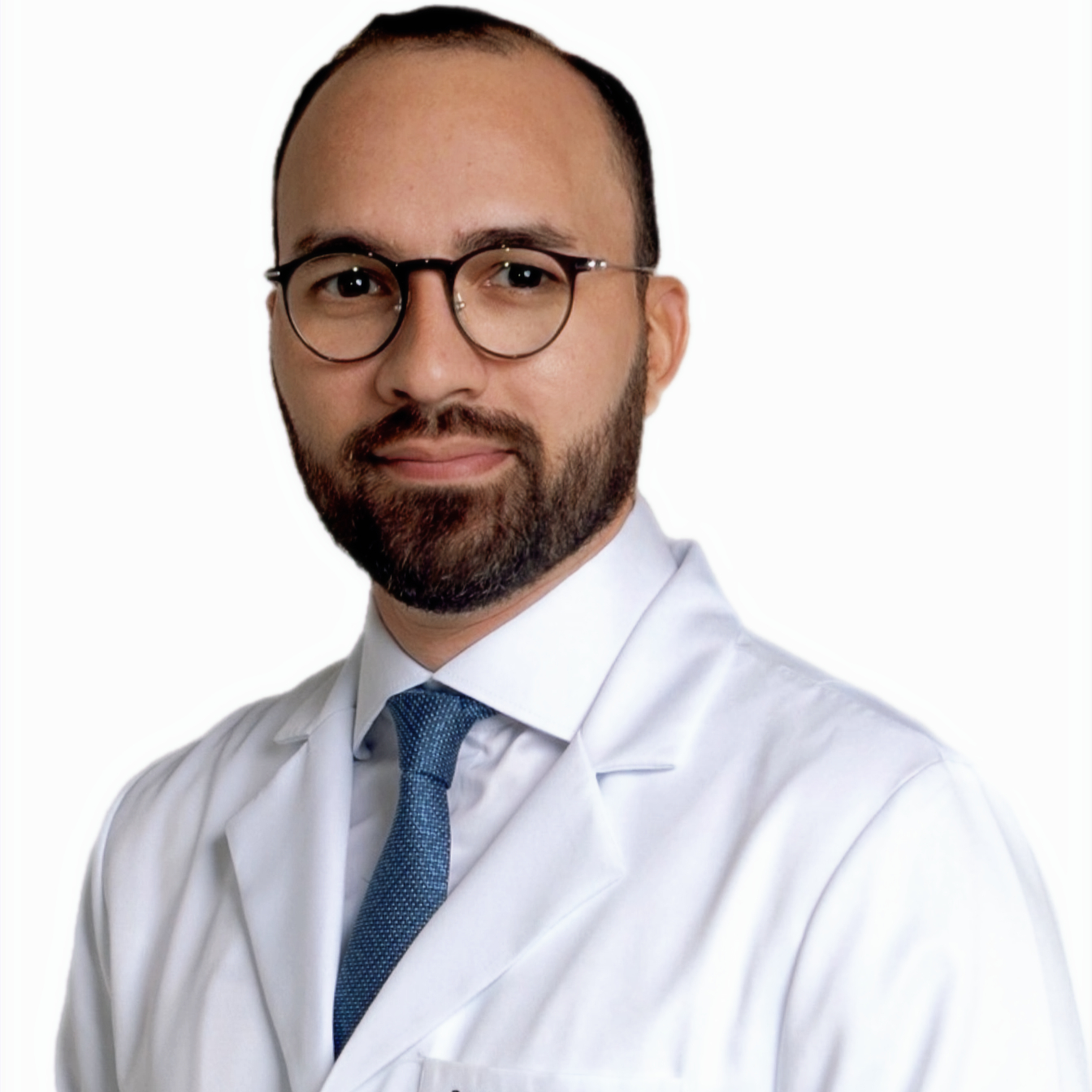
Dr. Bruno Benigno
Uro-oncology Specialist
Hospital Alemão Oswaldo Cruz
Hospital Vila Nova Star
How does a Prostate Biopsy work?
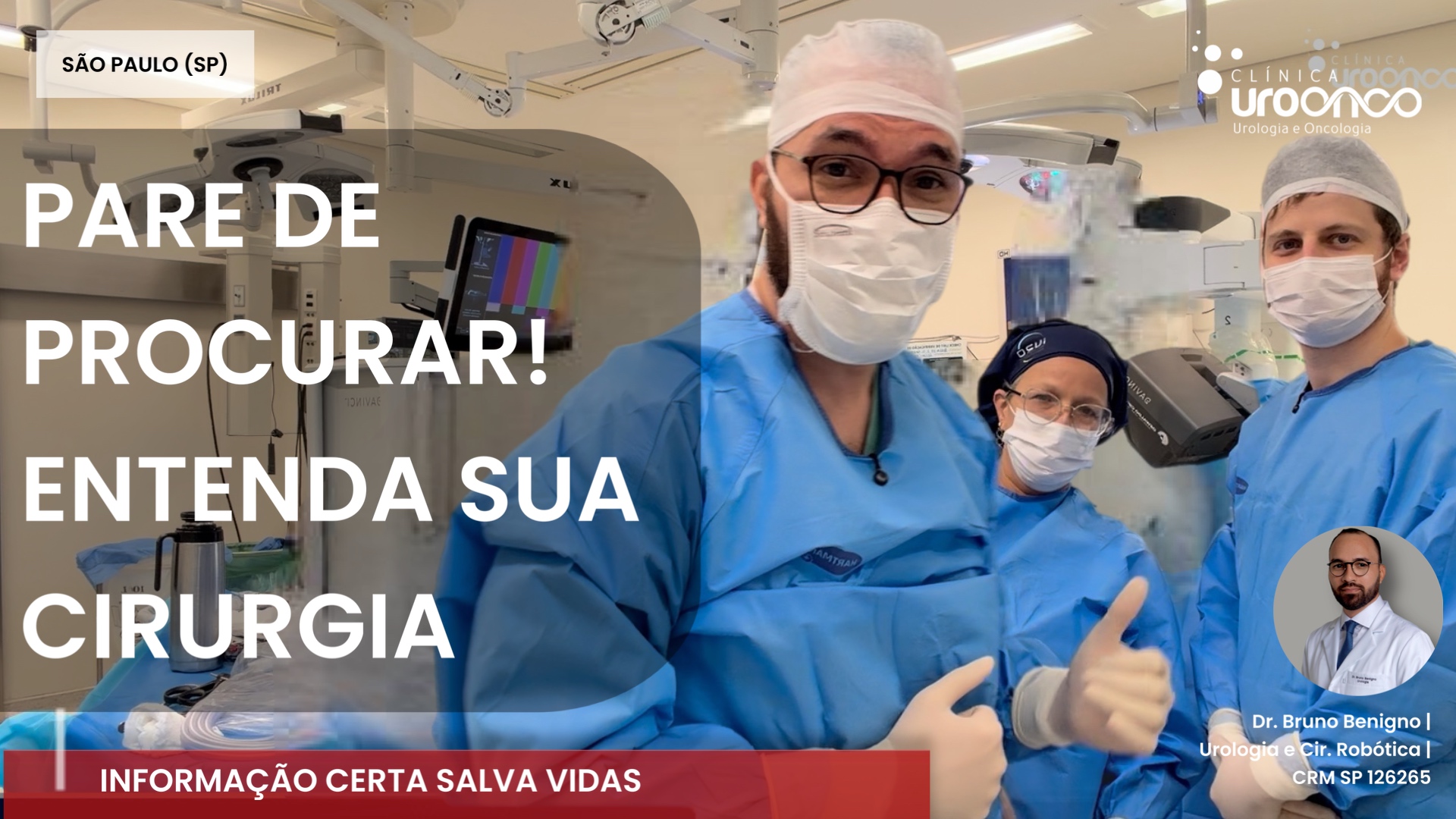
Understand the technical details, the difference between the approaches and how we ensure your safety and comfort during the procedure.
Pay Attention to Medications
Any medication that impairs blood clotting increases the risk of bleeding. Stopping it must always be authorized by the prescribing doctor.
ASA / Aspirin
Medications such as Aspirin®, AAS Prevent® and Bufferin® should be stopped in advance to normalize blood clotting.
Other Anticoagulants
- Clopidogrel (Plavix®): 7 to 10 days
- Warfarin / Ticagrelor: 5 days
- Rivaroxaban / Apixaban: 48 hours
- Dabigatran: 48h to 4 days
Prophylactic Antibiotic
For transperineal biopsy (the recommended approach), the most common regimen is cefuroxime 500 mg, 1 tablet, 1 hour before the procedure. It reduces the risk of infection to less than 0.5%.
Step-by-Step Preparation Timeline
Proper preparation dramatically reduces the risk of infection and urinary retention. Follow it strictly.
Guidance Consultation
Review of regular medications, delivery of personalized prescriptions and alignment of the surgical protocol.
Light Diet and Bowel Preparation
Easy-to-digest diet (broths, chicken, gelatin). Avoid raw leafy greens and beans. A rectal enema (Fleet Enema) is performed according to protocol, essential for ultrasound quality and for reducing bacteria.
Complete Fasting and Admission
No solid food from 10 p.m. the night before. Arrive at the hospital 1 to 2 hours in advance. An adult companion must be present for discharge after sedation.
Rest and Hydration
Relative rest at home. Drink 2 to 3 liters of water. It is normal to see blood in the urine and semen during these first days. Do not drive for 24 hours.
Resuming Activities and Results
Gradual return to intense physical exercise and sexual intercourse (10 to 14 days). Follow-up visit with the urologist to review the pathology result (report).
What to expect during Recovery?
Knowing how to tell normal postoperative symptoms from warning signs is essential for your peace of mind.
Expected Symptoms
- Blood in the urine for 3 to 5 days.
- Blood in the semen for up to 6 weeks (very common and harmless).
- A feeling of pelvic heaviness during the first 3 days.
- A mild increase in urinary frequency.
When to contact the team
- Fever above 38 °C (100.4 °F) in the first 72 hours.
- Severe chills or shaking.
- Complete inability to urinate (retention) for more than 6 hours.
- Severe pelvic pain that does not ease with painkillers.
Facilities and Care
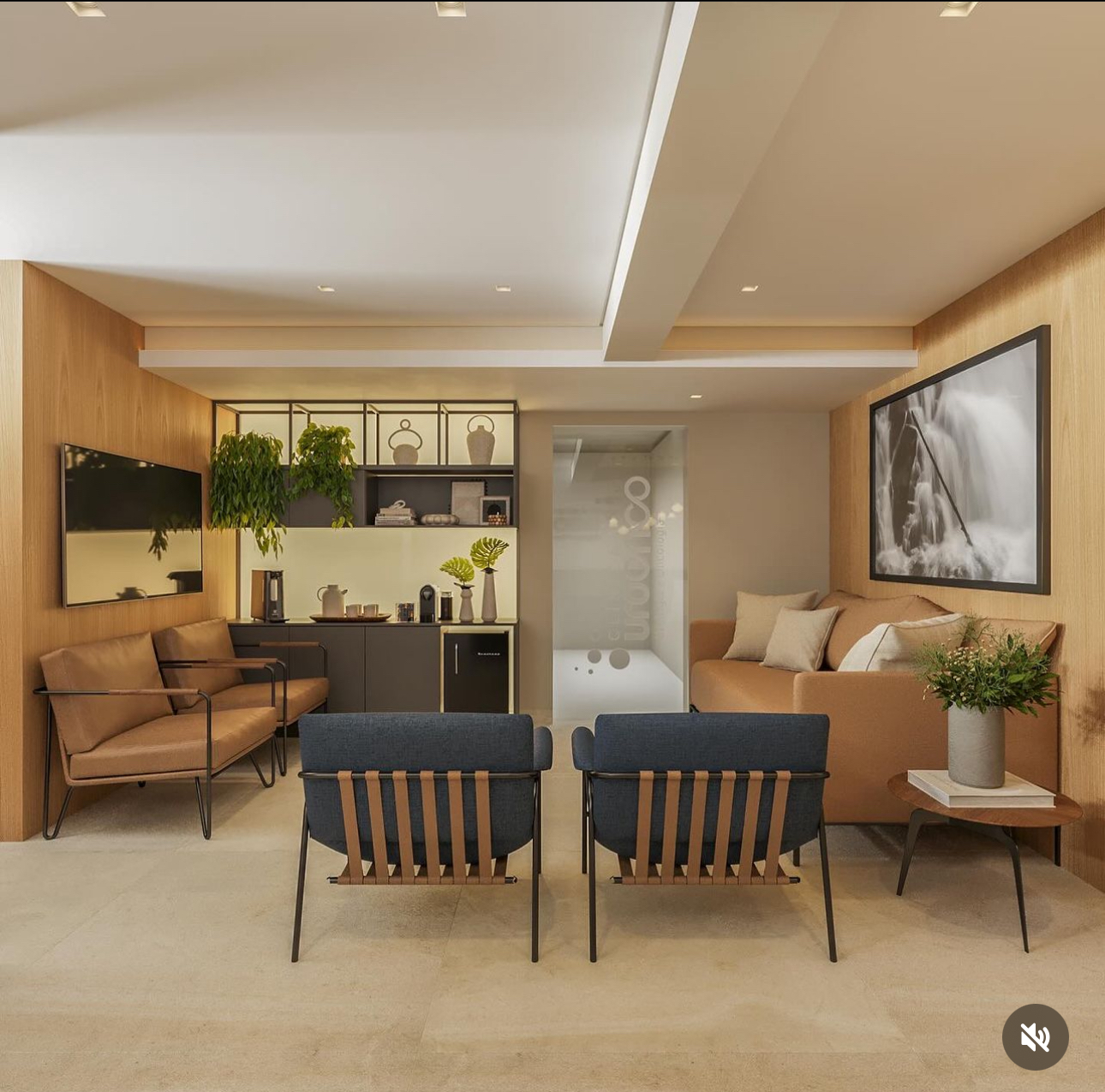
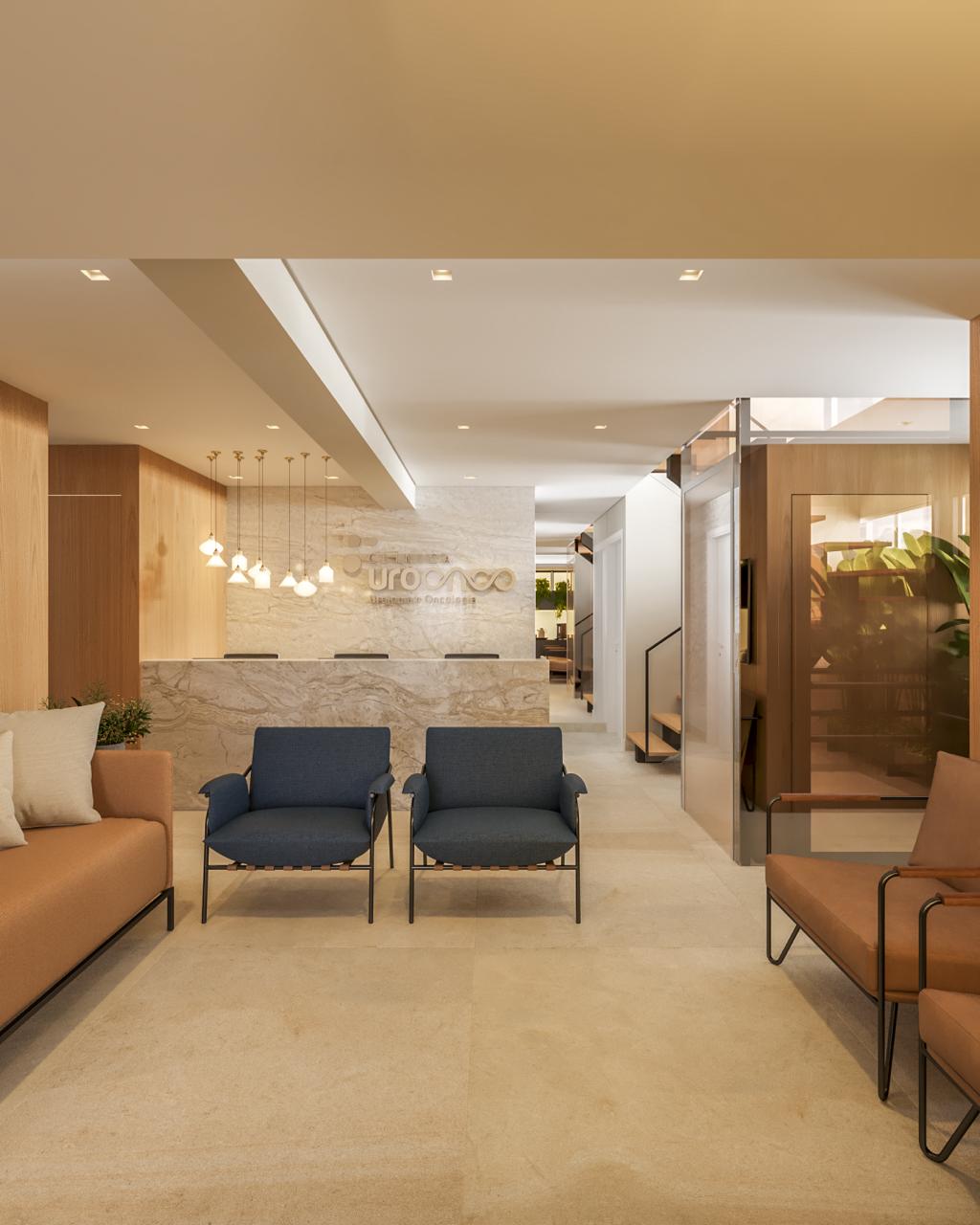
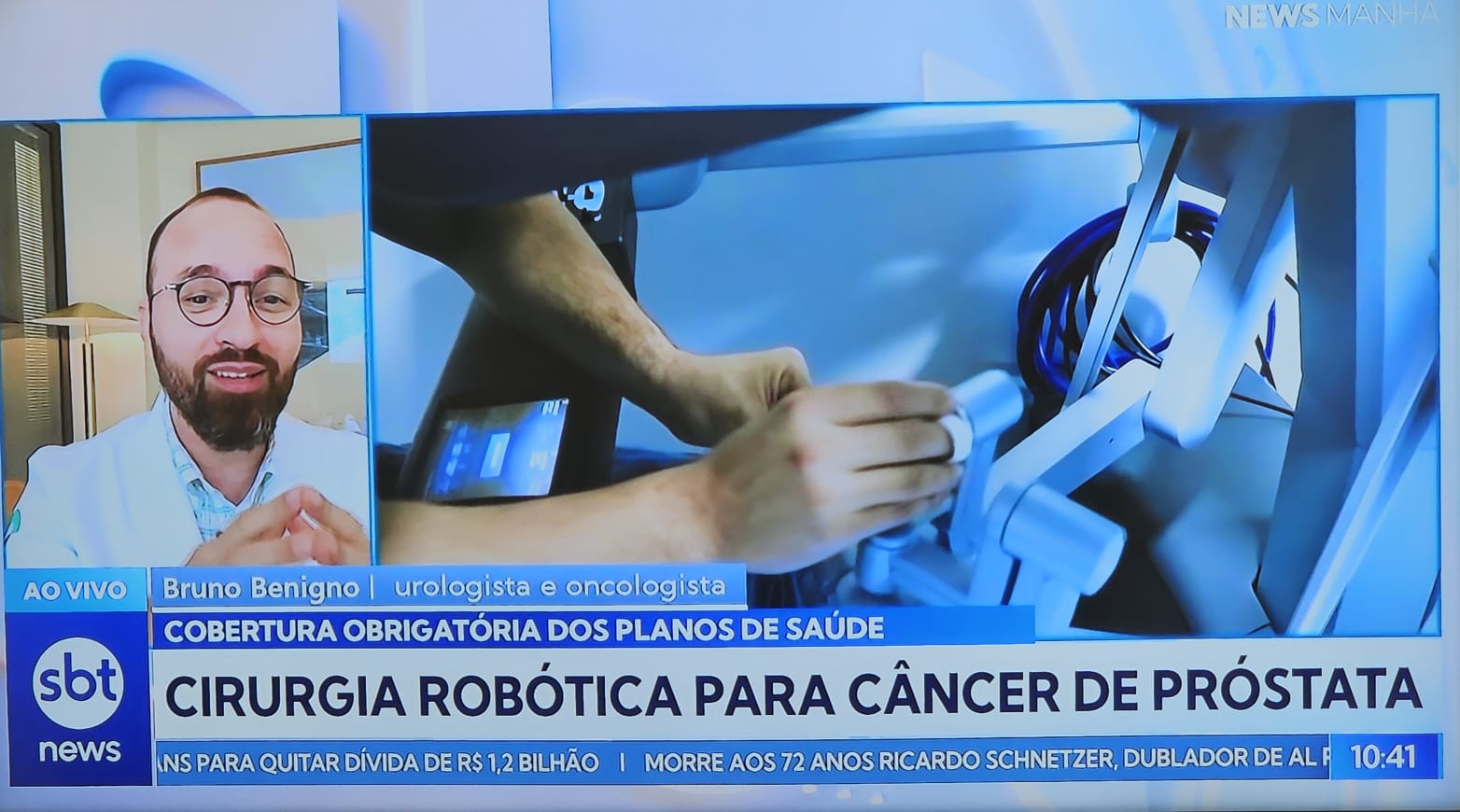
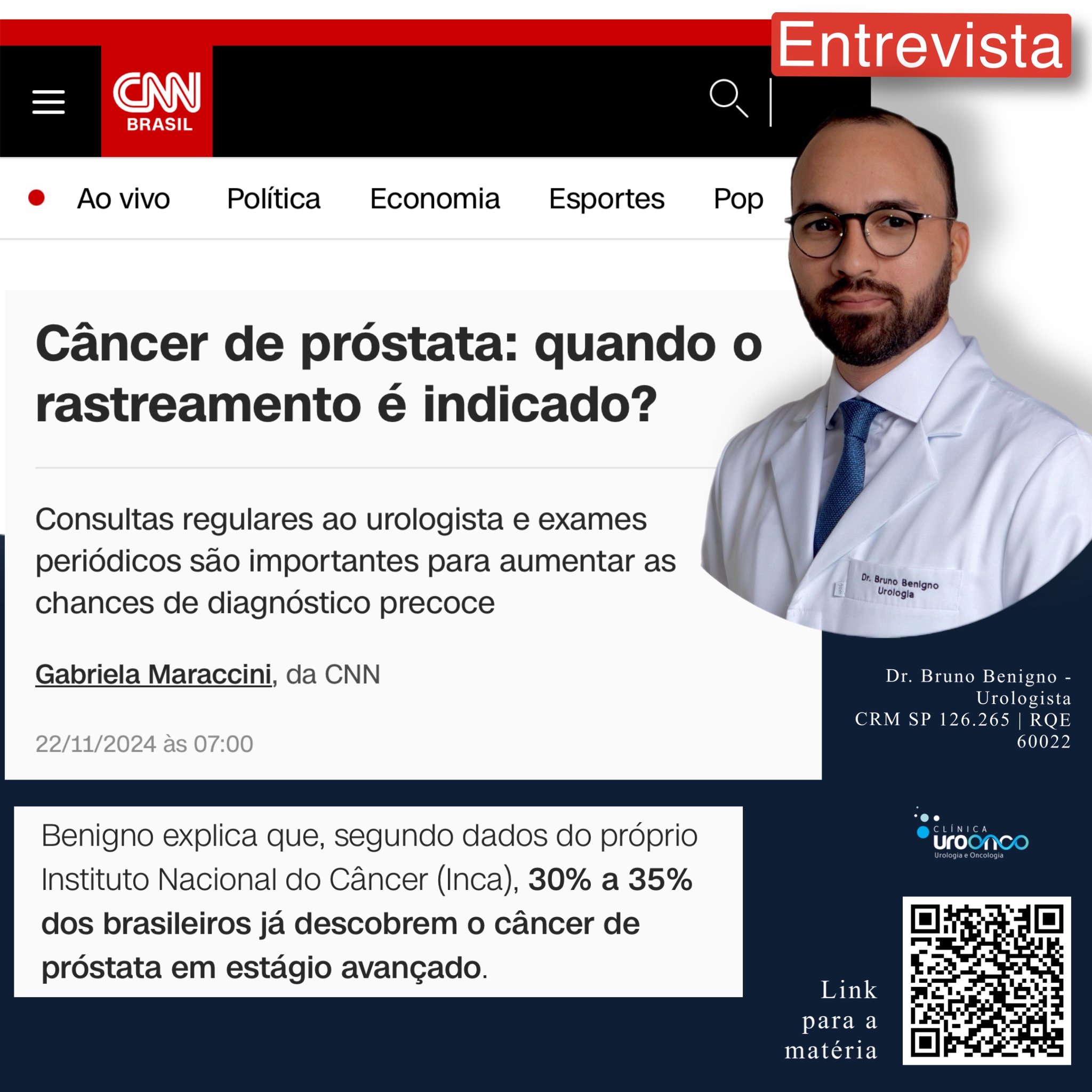
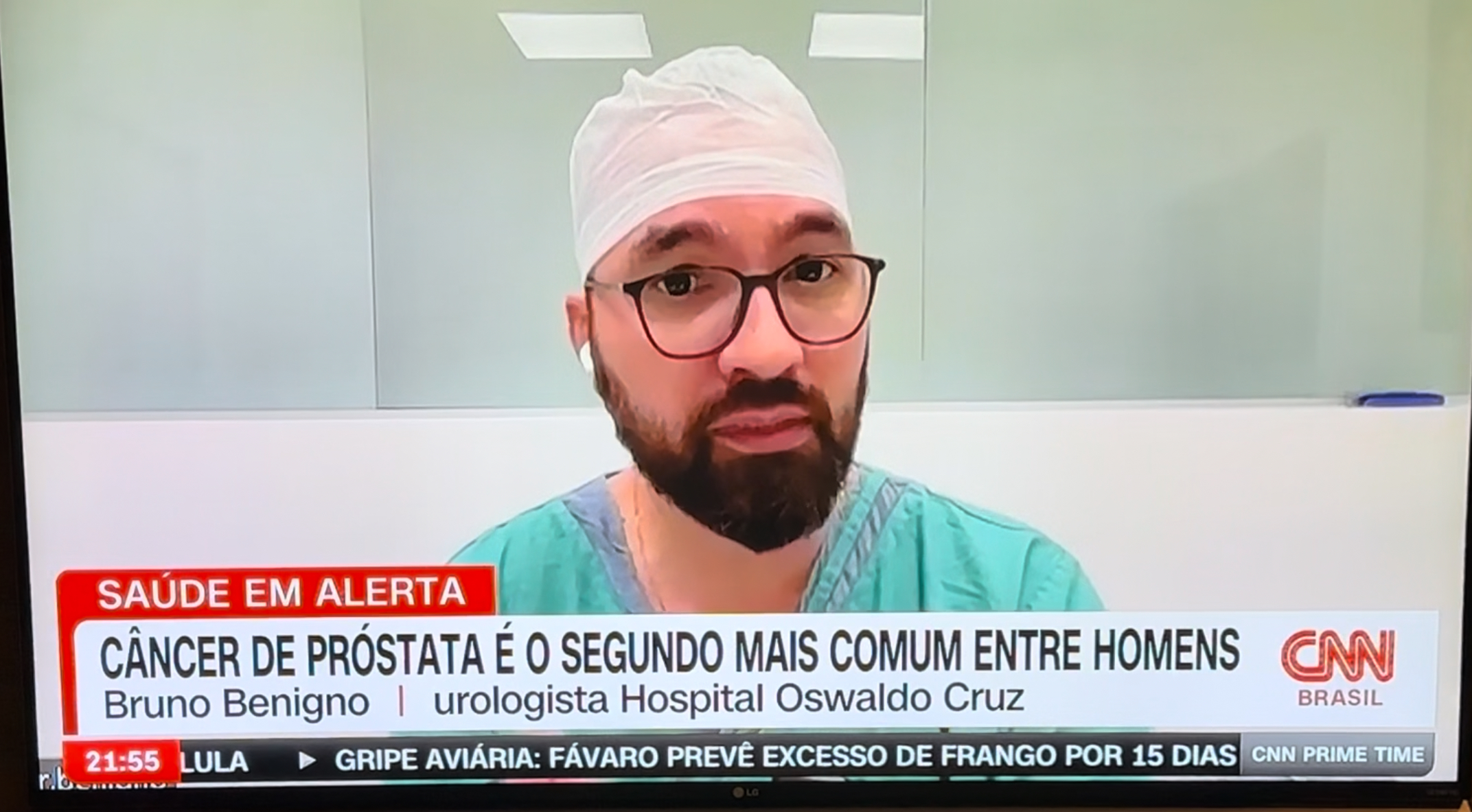
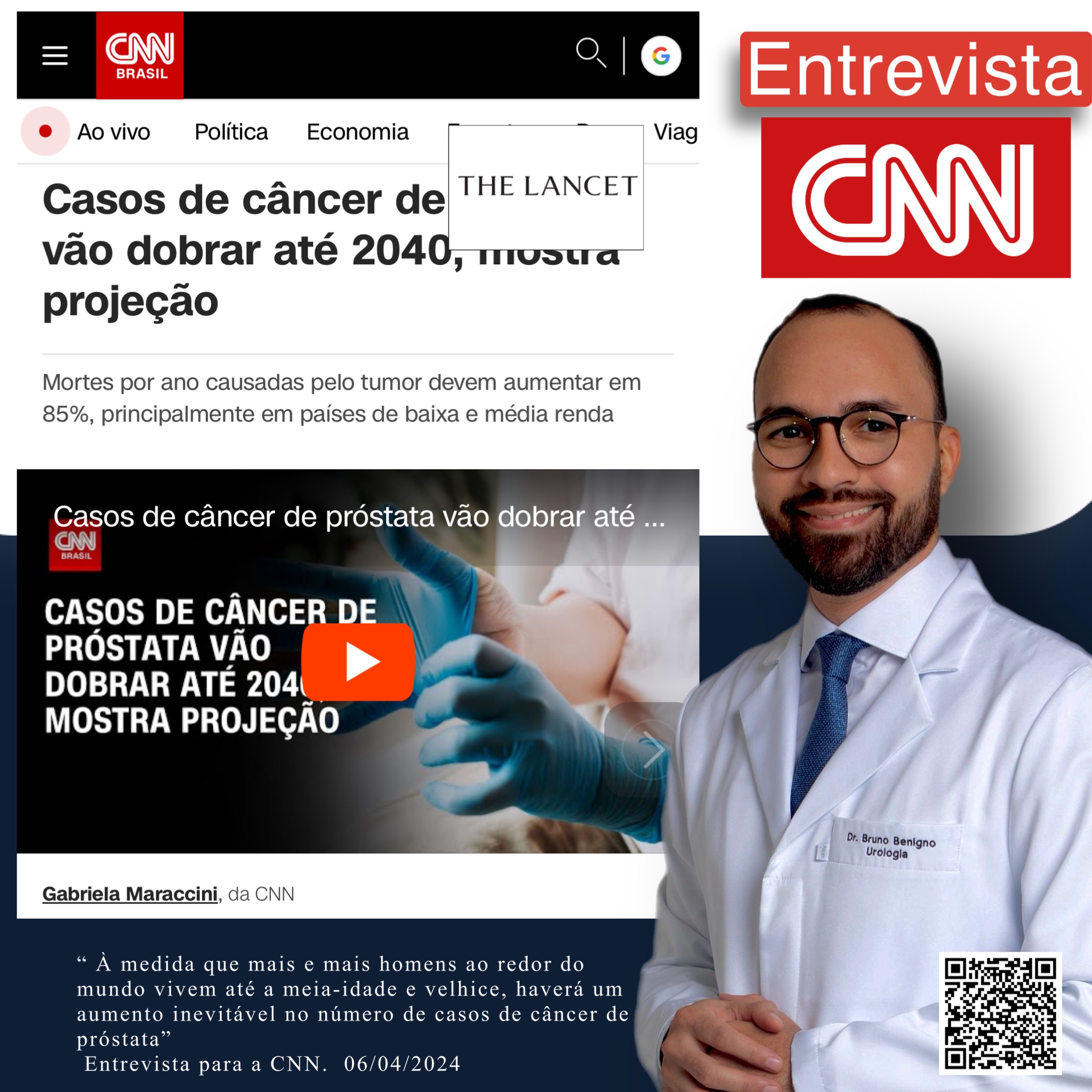
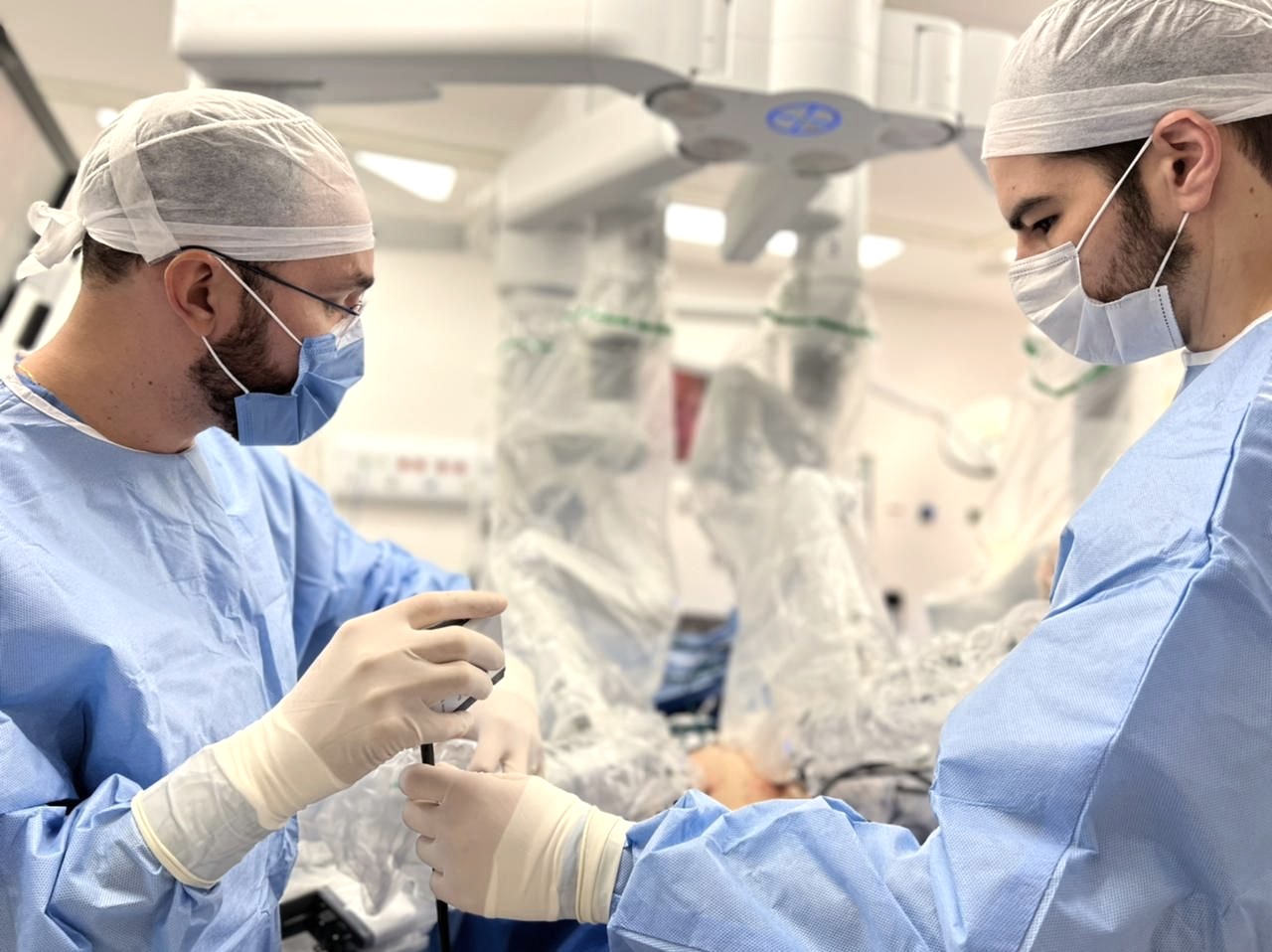
See the facilities where we perform procedures, focused on cutting-edge technology and compassionate care.
Patient Reviews
What patients who have had procedures with us say.
“Dr. Bruno was extremely clear and attentive from the first consultation. The preparation material I received made me feel very confident about the biopsy. A painless procedure and a smooth recovery.”
Verified review via Doctoralia“The support team answered all my questions about stopping my heart medications. The test at Hospital Oswaldo Cruz was quick, and the post-procedure follow-up was excellent.”
Patient, Hospital Alemão Oswaldo Cruz“I was very apprehensive, but the technique used and the anesthesia ensured I felt nothing. Dr. Bruno conveys great competence and empathy.”
Verified review via DoctoraliaFrequently Asked Questions
Get quick answers about preparation and recovery.
Where we perform procedures
Your next consultation with Dr. Bruno Benigno
The pre-biopsy guidance consultation includes a personalized day-by-day protocol, prescriptions for the medications and direct contact with the team for any questions up to the day before.
In-person consultations at Clínica Uro Onco (Rua Borges Lagoa, 1070, Conjunto 131, Cobertura — Vila Clementino, São Paulo/SP) or via telemedicine.
Health insurance plans or private (self-pay) consultations.
